Printers from the Balkans to the Gulf and from Central Asia to North Africa source their offset inks, blankets and pressroom chemicals from Turkey, for four reasons: geography, the Customs Union with the EU, production to European standards and a competitive landed cost. Yet what slows down a first export order is rarely the product; it is the process. Which Incoterm, which documents, how is colour matched remotely, how is payment made, when do the goods leave? This article explains the seven-step process SIM Baskı Malzemeleri runs with overseas customers, with document and Incoterm tables. The product range and the RFQ form are on our export page; ink-focused buyers should see offset ink supplier Turkey.
01Why source printing supplies from Turkey?
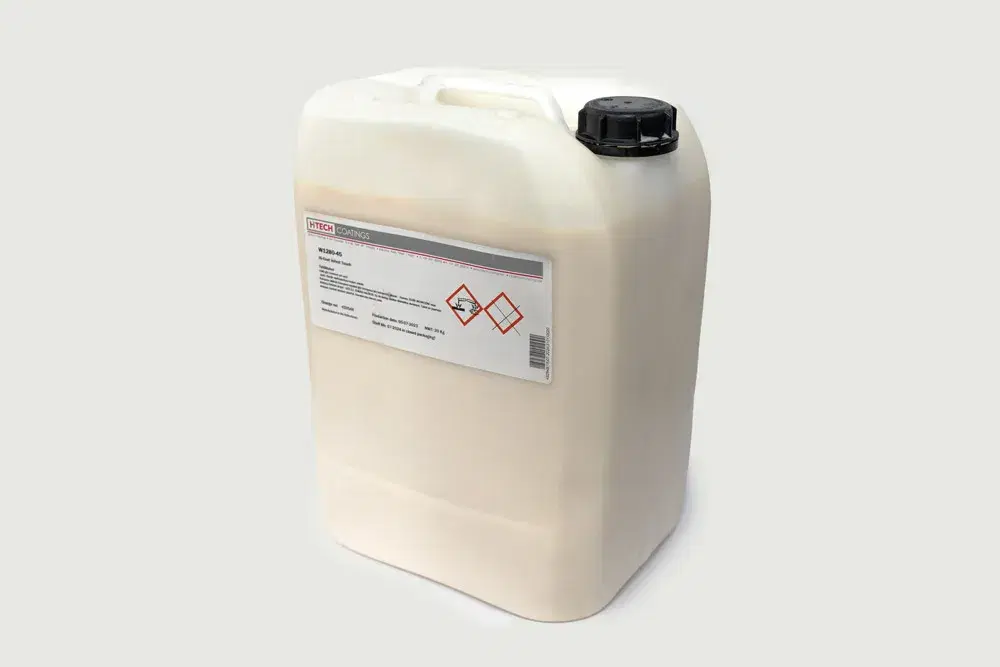
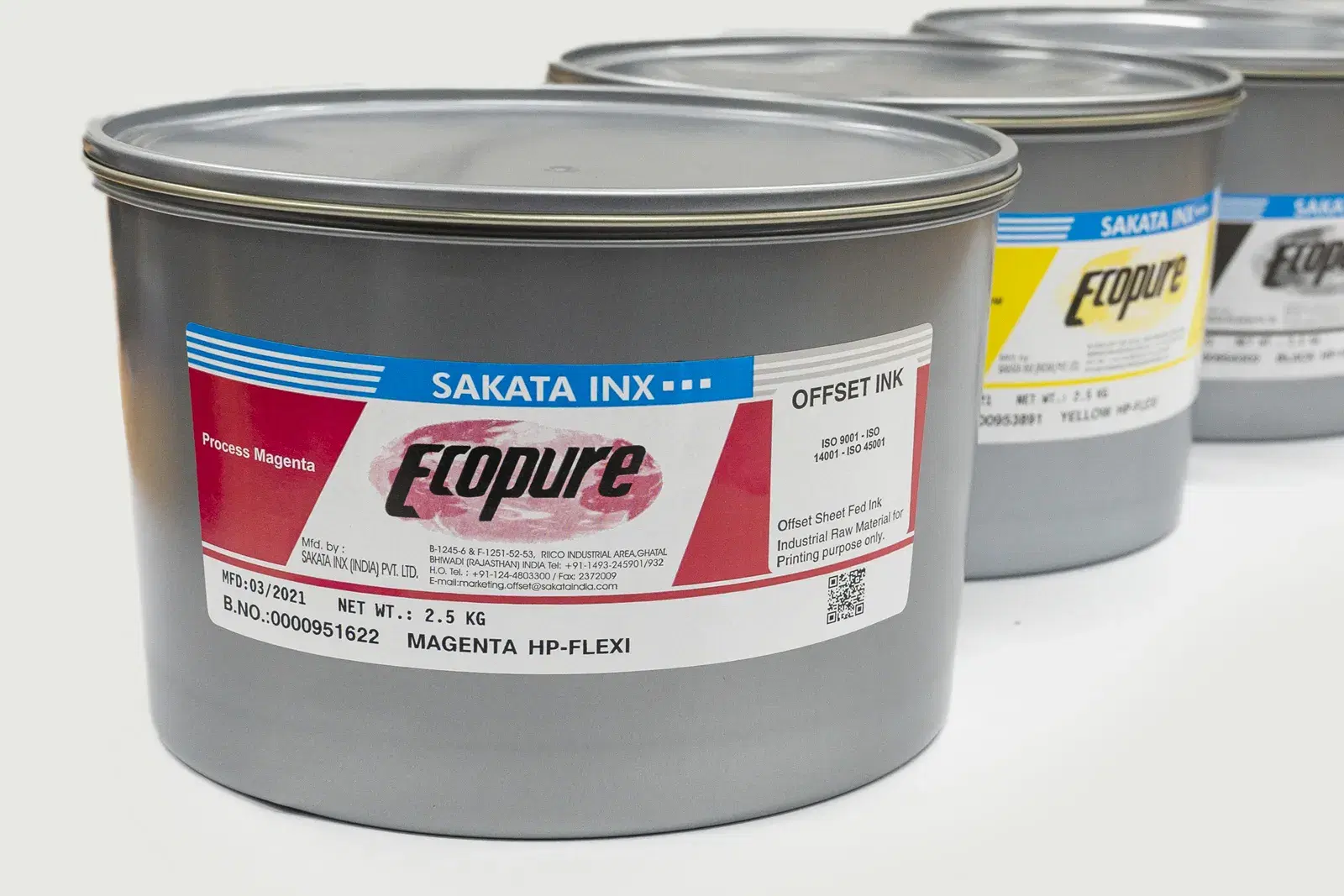
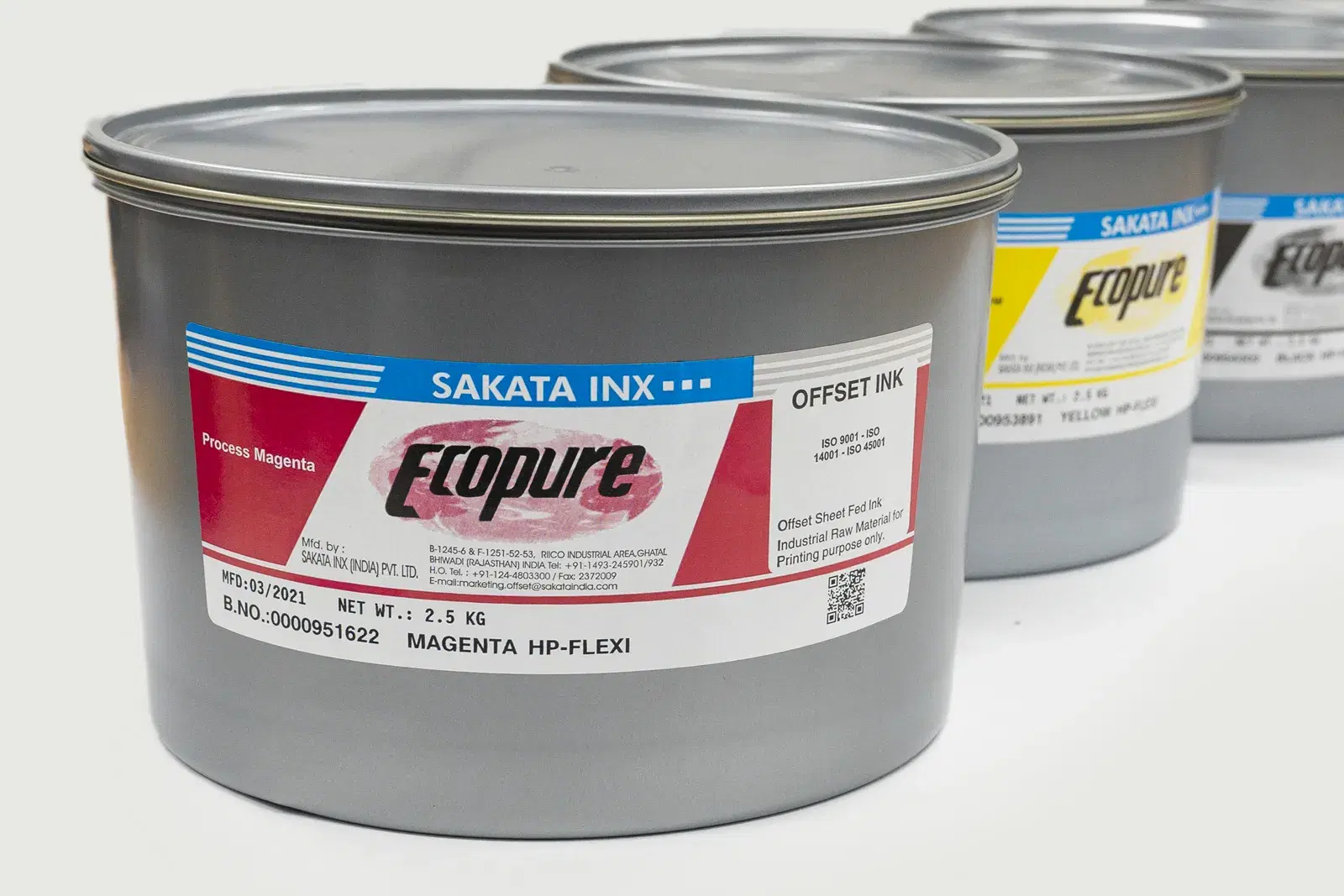
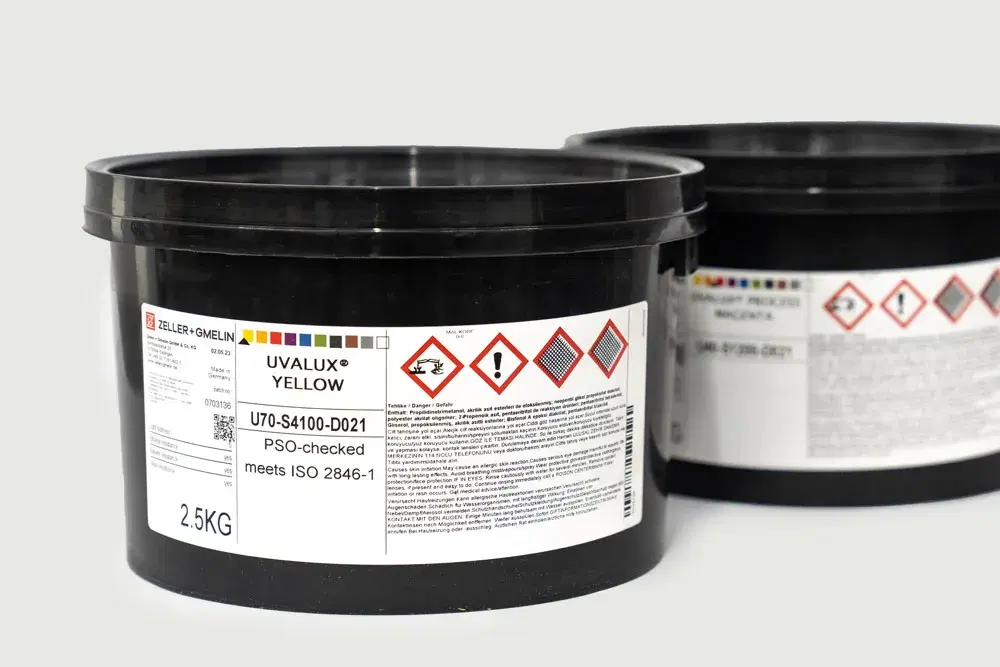
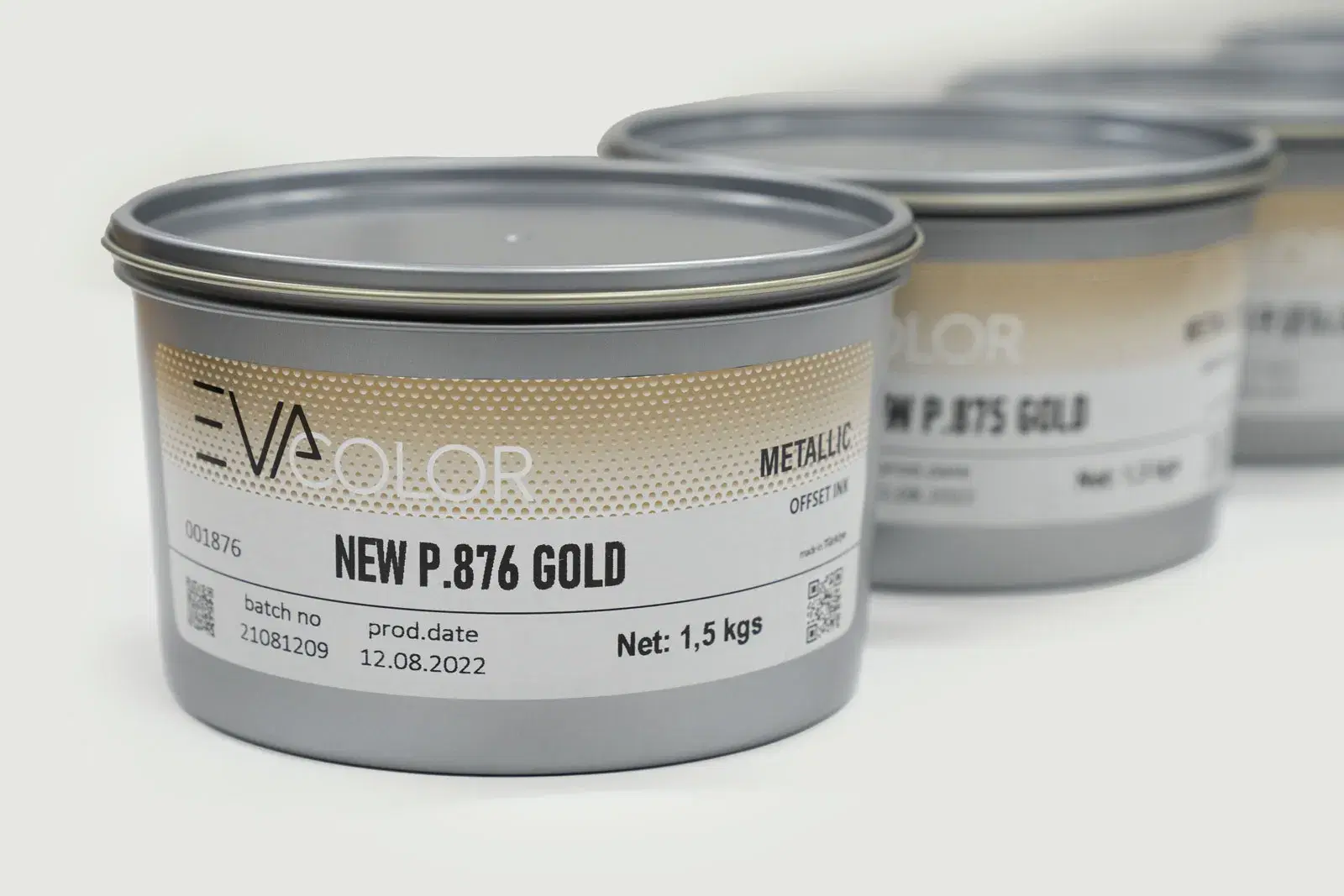
Turkey has a large domestic printing and packaging industry; that scale means international ink brands work with strong Turkish distributors and local production is shaped by European standards. At SIM this translates into the distribution of SAKATA INX since 2002, Zeller+Gmelin UV inks, Hi-Tech Coatings dispersion varnishes and SCHLENK metallic pigments, plus our own brands EVA COLOR (metallic and fluorescent inks) and VECTOR (blankets). The concrete advantages for a buyer: duty-free entry into the EU under the Customs Union with an A.TR certificate, road freight from Istanbul to the Balkans and Central Europe, sea freight from Ambarlı Port to the Mediterranean, the Black Sea and the Gulf, air cargo from Istanbul Airport, mixed-brand consolidation in one shipment and no minimum order on stock items. The size and direction of the Turkish printing industry are covered in 2026 industry trends.
| Product group | Brand / series | Export packaging | Typical buyer |
|---|---|---|---|
| Offset CMYK inks | SAKATA INX (ISO 2846-1) | 1 kg and 2.5 kg cans, cartons, pallets | Commercial and packaging printers |
| PANTONE and custom colours | SAKATA INX, SIM laboratory | 1 kg cans; custom colours from 5 kg | Printers running brand colours |
| Metallic and fluorescent | EVA COLOR, SCHLENK | 1 kg and 2.5 kg cans | Label, cosmetics and luxury packaging |
| UV and LED-UV inks | Zeller+Gmelin | 1 kg and 2.5 kg cans; transport class stated | UV offset and label printers |
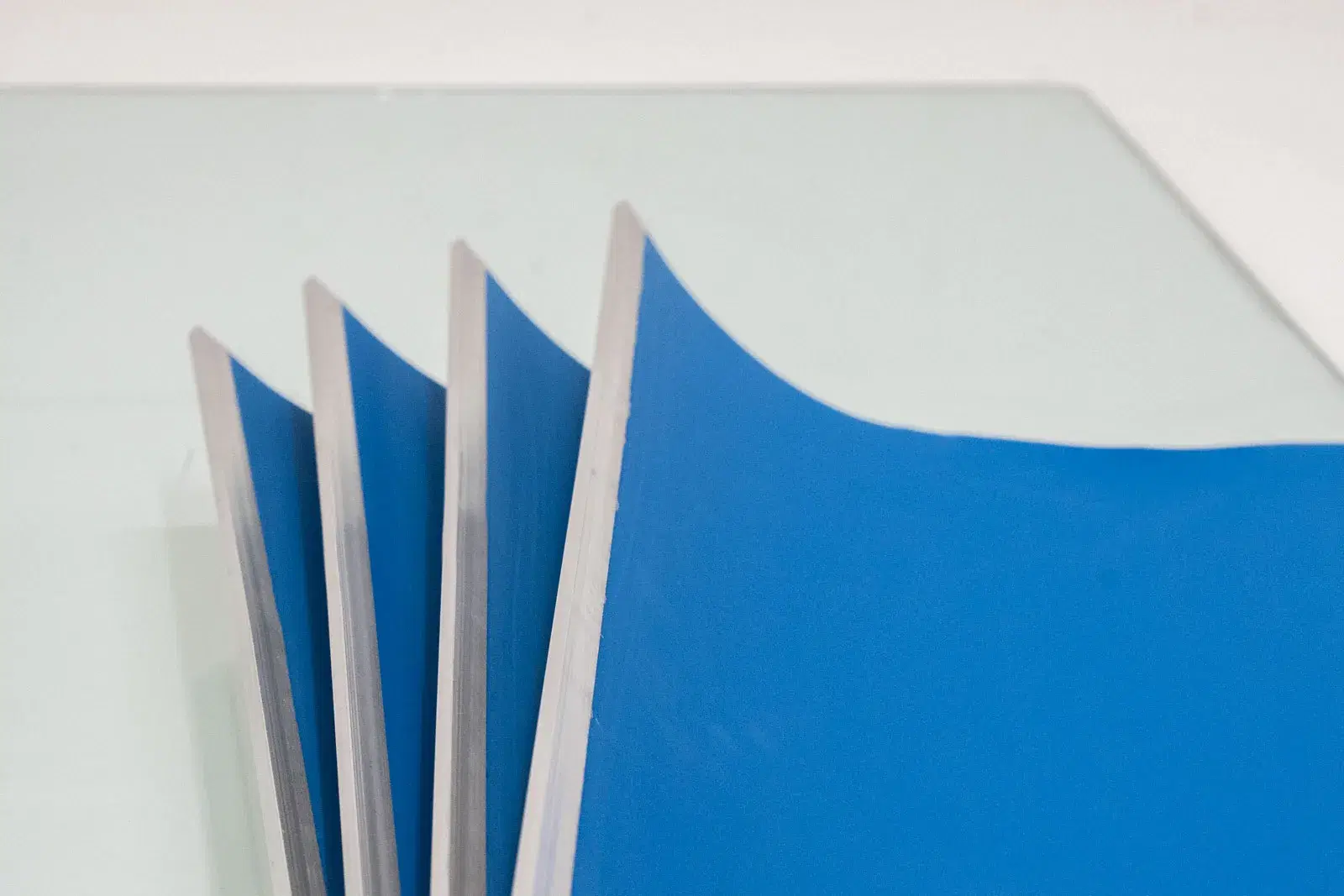
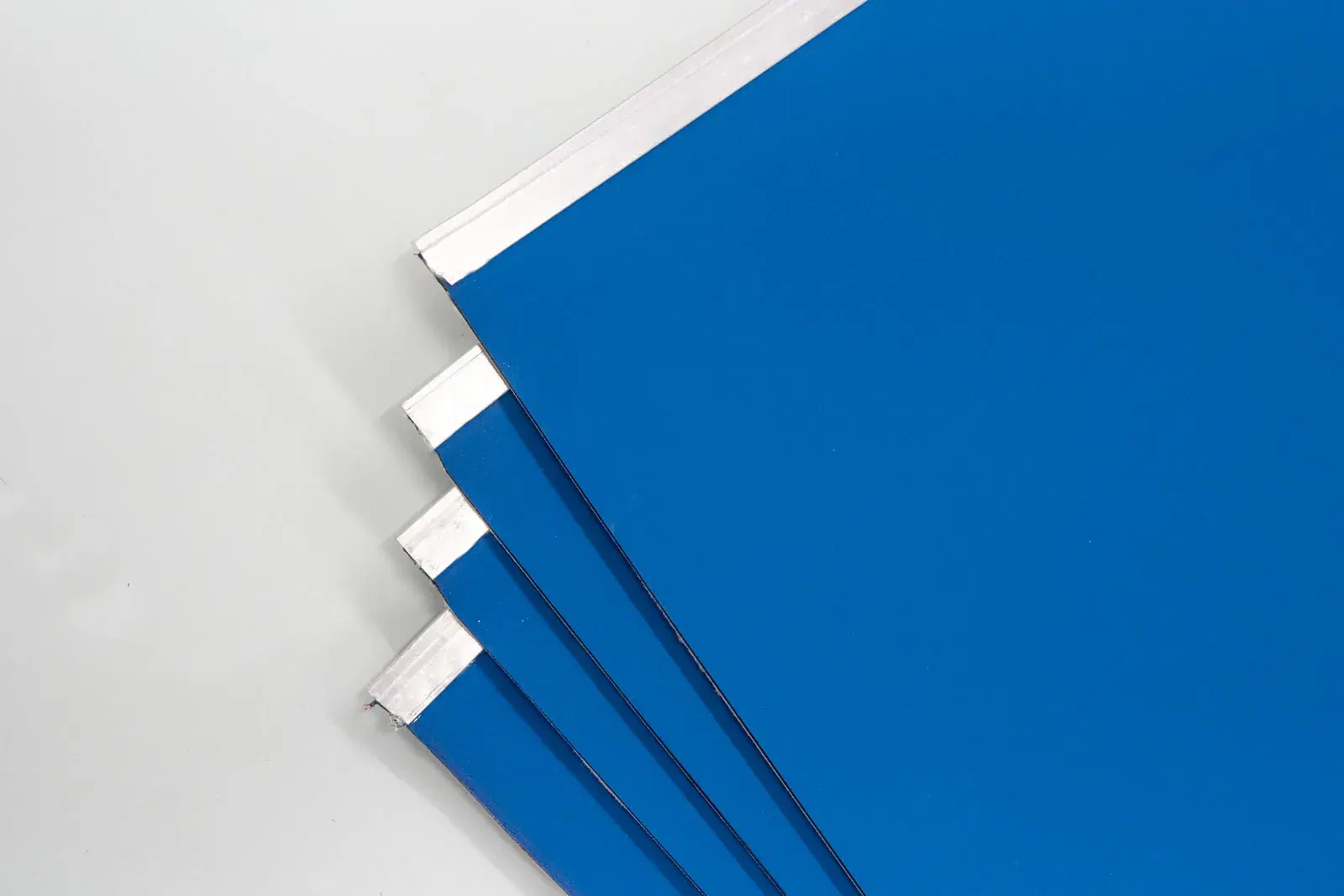
| Printing blankets | VECTOR | Rolled or cut, flat pallet | All sheetfed offset printers |
| Dispersion varnish and chemicals | Hi-Tech Coatings, pressroom chemicals | 20 kg drums, IBCs | Packaging and commercial printers |
02The sourcing process step by step: seven steps from RFQ to delivery
Step one is the request for quotation: country, product group, approximate monthly or per-order quantity, preferred Incoterm and, where relevant, PANTONE codes or your current ink brand. With that information the quotation comes back within one working day and states the price (EUR or USD), packaging unit, lead time and the documents that will travel with the shipment; that is step two. Step three is samples and colour matching: evaluation samples for standard series such as SAKATA INX CMYK, and for brand colours an approval sample formulated by our laboratory from a PANTONE code, a printed sample or an L*a*b* reading to a Delta E below 1.5. Production does not start before the sample is approved; the recipe is archived so repeat orders hit the same colour. The remote process is described in custom colour matching.
Step four is the proforma invoice and payment: prepayment or bank transfer on first orders, terms for established accounts agreed in the quotation. Step five is preparation and palletising: stock items leave the warehouse within 1–2 working days of order confirmation, custom colours 1–3 working days after sample approval; different brands and product groups are consolidated on one pallet, cans are boxed, pallets are stretch-wrapped and secured for sea or road. Step six is documents and shipment: commercial invoice, packing list, A.TR movement certificate for the EU or certificate of origin for other destinations, English TDS and SDS for every product, certificate of analysis on request and transport classification where required. Step seven is after-delivery support: press settings, ink-water balance, drying or colour deviation handled by the technical team by e-mail, phone or video call.
What decides the timing of a first export order is communication, not production: with quantity, Incoterm and a colour reference in the RFQ, the quotation takes a day and a stock shipment is ready in two.
03Choosing the Incoterm: EXW, FOB, CIF/CFR and DAP
The Incoterms 2020 rules define where the goods are delivered, who pays carriage and insurance and where risk passes to the buyer. SIM quotes EXW Istanbul, FOB Ambarlı/Istanbul, CFR or CIF to the destination port, and DAP by road for Europe and the Caucasus. For experienced importers with their own forwarder and customs broker, EXW or FOB is usually the most economical; for buyers purchasing from Turkey for the first time who want logistics in one hand, CIF/CFR by sea or DAP by road holds fewer surprises. Whatever the rule, import clearance and import duties remain with the buyer; even under DAP, customs formalities are the buyer's. The quotation always states the named place together with the rule, for example FOB Ambarlı.
| Incoterm | SIM delivers | Buyer takes on | Best suited to |
|---|---|---|---|
| EXW Istanbul | Palletised at the Beylikdüzü warehouse | Loading, export clearance, all carriage and insurance | Experienced importers with a forwarder in Turkey |
| FOB Ambarlı | Loaded on board, export-cleared | Sea freight, insurance, arrival formalities | Buyers with their own freight contracts |
| CFR / CIF destination port | Freight (and insurance under CIF) paid by SIM | Destination port charges, import clearance | Near turnkey solution by sea |
| DAP (road) | At the buyer's address, ready for unloading | Unloading, import clearance and duties | Balkans, Central Europe, Caucasus |
| Air cargo (CPT/CIP) | Carriage paid from Istanbul Airport | Destination airport charges, customs | Urgent samples and small lots |

04Export documents: invoice, packing list, A.TR or origin, TDS and SDS
The document set gets the shipment through customs and makes the product legal to use in the destination country. Industrial goods bound for EU member states enter duty-free under the Customs Union with an A.TR movement certificate; for destinations outside the EU a certificate of origin is issued. An English technical data sheet (TDS) and safety data sheet (SDS) travel with every product; for customers printing food, toy and cosmetics packaging, low-migration inks and varnishes come with compliance statements referencing EU 1935/2004, 10/2011 and the Swiss Ordinance. UV inks and flammable solvents receive UN transport classification and suitable packaging for sea and air; for Zeller+Gmelin UV inks this information sits in section 14 of the SDS. Additional requirements of the destination country (consular legalisation, label language, national chemical registration) are clarified at quotation stage.
| Document | Issued by | Purpose |
|---|---|---|
| Commercial invoice (EUR/USD) | SIM | Customs value, payment and import declaration |
| Packing list | SIM | Carton/pallet count, gross and net weight, dimensions |
| A.TR movement certificate | SIM via customs broker | Duty-free entry into the EU under the Customs Union |
| Certificate of origin | SIM, chamber of commerce certified | Origin and tariff treatment outside the EU |
| TDS and SDS (English) | Manufacturer / SIM | Technical use, occupational safety, transport class |
| Certificate of analysis, compliance statements | Manufacturer / SIM, on request | Batch quality, low migration, EuPIA compliance |
| Bill of lading / CMR / AWB | Carrier | Contract of carriage and proof of delivery |
05Packaging, logistics and lead times
Inks are boxed in 1 kg and 2.5 kg cans; varnishes and chemicals ship in 20 kg drums or IBCs; VECTOR blankets go rolled or cut on flat pallets; pallets are EUR or industrial size, stretch-wrapped with corner protection. Our warehouse in Beylikdüzü is close to Ambarlı Port and about an hour from Istanbul Airport, so sea, road and air options can all be planned the same day. Lead times run from order confirmation: stock items 1–2 working days, custom colours 1–3 working days after sample approval, metallic and fluorescent production batches agreed per order. Transit depends on the destination: a few days by road to the Balkans and Central Europe, up to two weeks by sea to the Gulf, one to three days by air. For water-based products such as Hi-Tech Coatings dispersion varnish, vehicle and warehouse temperatures are specified in the quotation to avoid frost damage in winter.
06Payment terms and pricing
First orders are prepared against prepayment or bank transfer; for established accounts, terms are agreed in the quotation. Prices are quoted in EUR or USD on the agreed Incoterm together with the packaging unit, lead time and document list. The right unit of comparison for a buyer is landed cost, not ex-works price: product + freight + insurance + duties + local charges ÷ kilogram. Mixed-brand consolidation, no minimum on stock items and short lead times bring that unit cost below buying each brand separately from its home market. The difference between price per kilogram and cost per thousand sheets is covered in offset ink prices 2026; the same logic applies to export.
07Remote colour matching and technical support
Distance is no barrier to colour accuracy. Our laboratory works 24/7 with a custom colour capacity of 15,000 kg per month: the buyer sends a PANTONE code, a printed sample by courier or an L*a*b* reading with illuminant and paper type; the laboratory formulates to a Delta E below 1.5, prints a proof on the target paper and ships the approval sample with a measurement report. Because the recipe is archived, the second order is produced to the same tolerance. This process is standard for custom colours and PANTONE inks; for EVA COLOR metallic inks a sample print is recommended for pigment brilliance and paper compatibility. After delivery, the technical team works remotely from the buyer's press data and samples on press settings, water balance or drying issues.
08Five common mistakes on a first export order
First, leaving quantity and Incoterm out of the RFQ; without them a quotation can only be indicative. Second, sending a screenshot or print file as the colour reference; matching needs a PANTONE code, a printed sample or an L*a*b* reading. Third, confusing price per kilogram with landed cost; a comparison without freight and duties misleads. Fourth, discovering the destination country's document requirements (consular legalisation, national chemical registration, label language) after shipment; ask at quotation stage. Fifth, ignoring transport classification for UV inks and solvents; air cargo is not accepted without it. A buyer who closes these five points at RFQ stage usually receives the first shipment on schedule and without extra cost.
09How to start an export order with SIM
Fill in the RFQ form on our export page with country, product group, quantity and Incoterm; we reply within one working day with prices, lead time and the document list. If your purchase is ink-led, series and document details are on offset ink supplier Turkey; the complete range is in our printing supplies guide. SIM has supplied printers from Istanbul since 1983 and runs the same process, with the same documents and support in English, Russian and Arabic, for customers across the Middle East, Central Asia and the Balkans. Contact us with any question.
Sources
Gallery
Frequently Asked Questions
- Which Incoterm should I choose when buying printing supplies from Turkey?
- If you have a forwarder and customs broker in Turkey, EXW or FOB Ambarlı is usually the most economical. If you want logistics in one hand, CIF/CFR to the destination port by sea, or DAP by road to the Balkans, Central Europe and the Caucasus, holds fewer surprises; import clearance and duties stay with the buyer in every case.
- Which documents come with the shipment and what is the A.TR for?
- Commercial invoice, packing list, A.TR movement certificate for the EU or certificate of origin for other destinations, English TDS and SDS for every product, certificate of analysis on request and transport classification where required. The A.TR lets industrial goods enter the EU duty-free under the Customs Union.
- How quickly does a first export order leave the warehouse?
- The quotation comes back within one working day; after order confirmation and payment, stock items leave within 1–2 working days and custom colours 1–3 working days after sample approval. Transit depends on the destination: a few days by road to the Balkans and Central Europe, up to two weeks by sea to the Gulf, one to three days by air.
Related Products
SIM Baskı Malzemeleri
Get a Custom Quote for Your Project
Contact us for information about our wide product range and custom color production.