As of 2026, the Turkish printing and packaging industry has become one of the most strategic players in global supply chains. Geographical proximity to Europe, flexible manufacturing capabilities, and advanced machinery have pushed Turkish print exports past USD 2 billion annually. However, this growth demands transition: the EU Green Deal, CBAM carbon tax, and PPWR packaging regulations. This article analyzes sector trends, export opportunities, and technical regulations. See custom colour production and Istanbul delivery for local laboratory and fast logistics, our sustainable printing article for material choices and the printing materials guide.
01Green Transformation and EU Compliance for Exporters
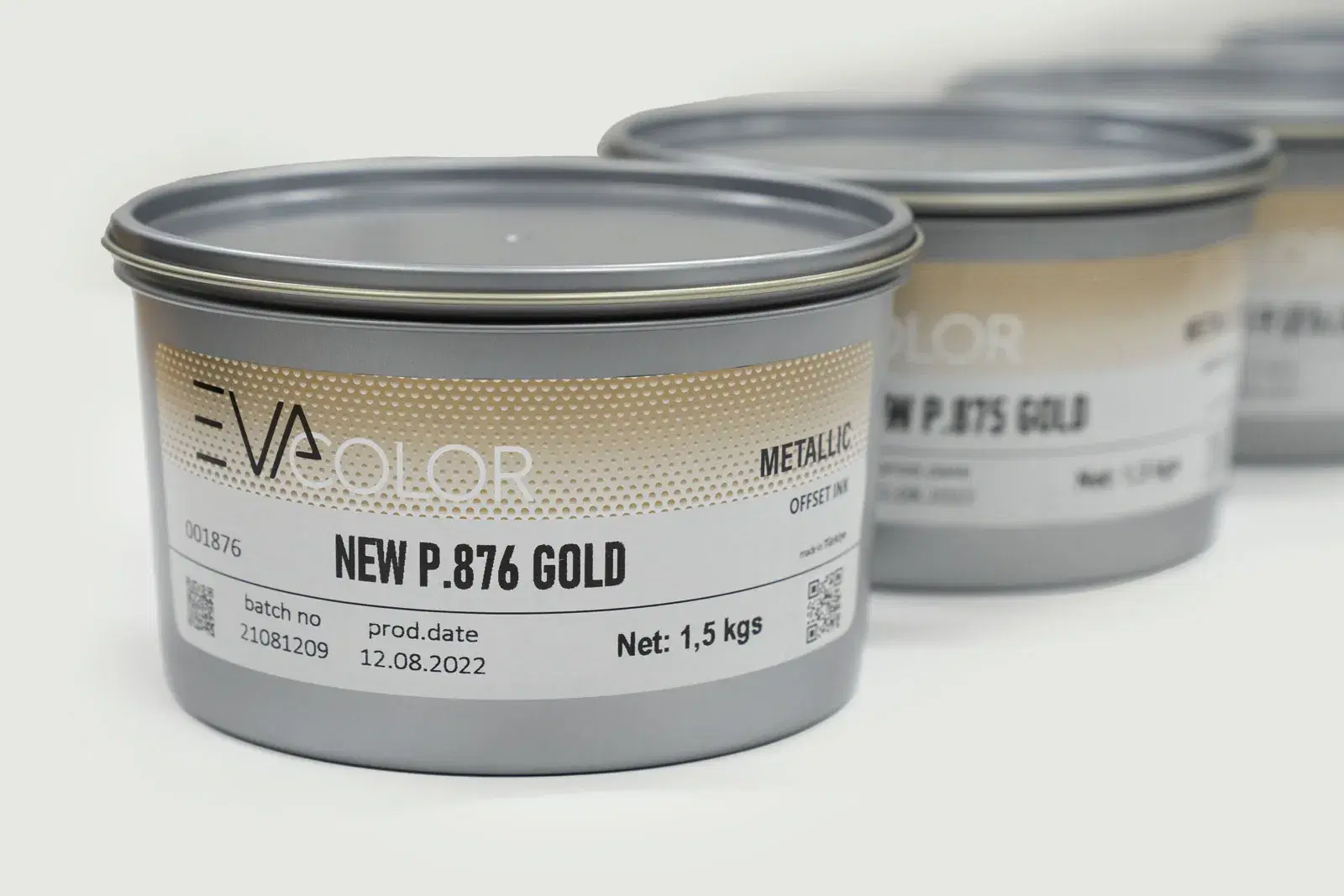
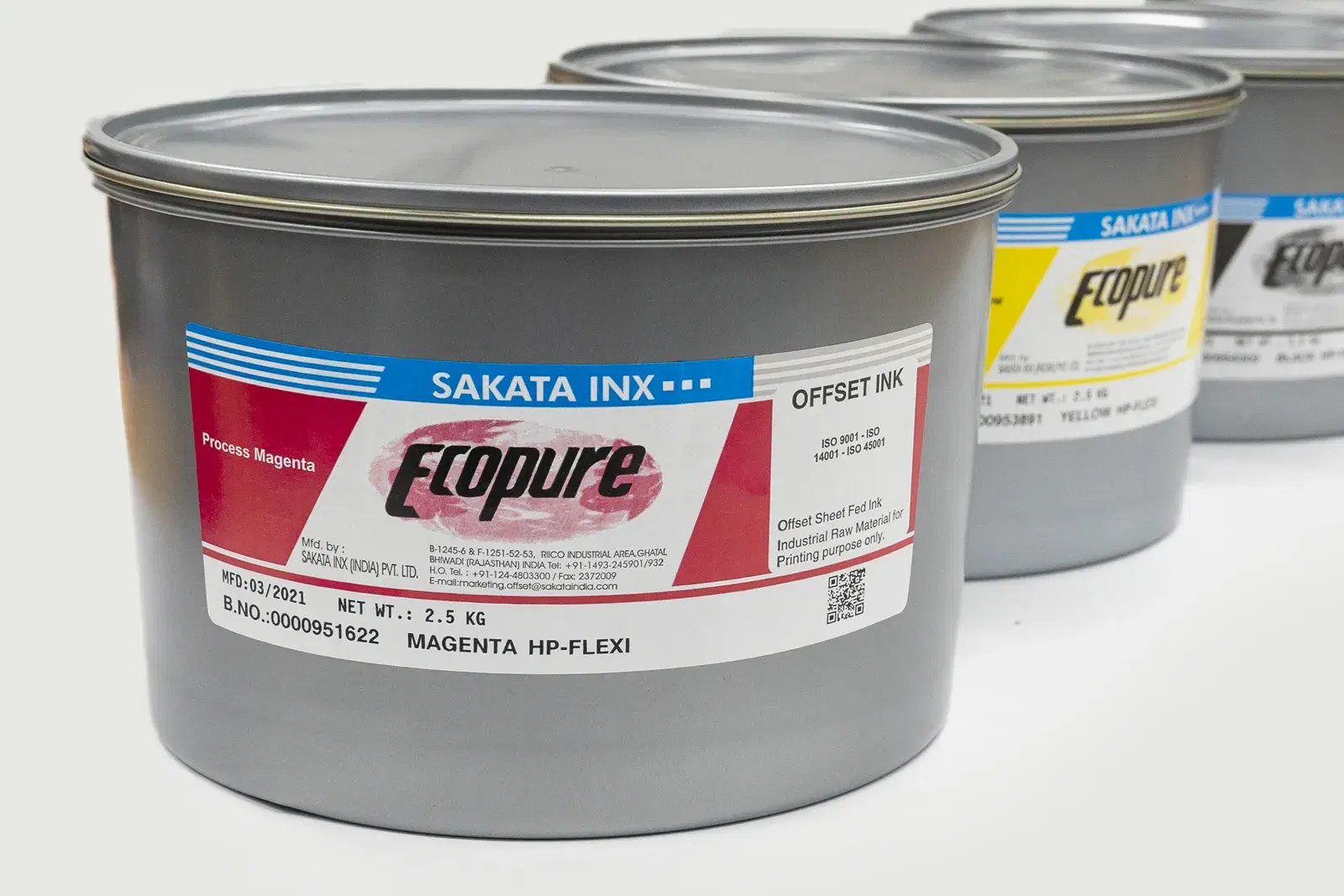
More than 60% of Turkish print and packaging exports go to the European Union. With the EU's Carbon Border Adjustment Mechanism (CBAM) and PPWR regulations active in 2026, exporters must choose sustainable materials. Exporters must provide carbon footprint reports, deinking certificates (INGEDE Method 11), and EuPIA compliance declarations. This accelerates the shift from mineral-oil-based conventional inks to vegetable-oil-based eco-friendly inks and low-emission LED-UV systems.
Sustainability claims must be certified. FSC chain of custody, ISO 14001 environmental management, and Cradle-to-Cradle product certifications have become deciding criteria for securing packaging export orders.
02Mono-Material Packaging and Coating Technologies
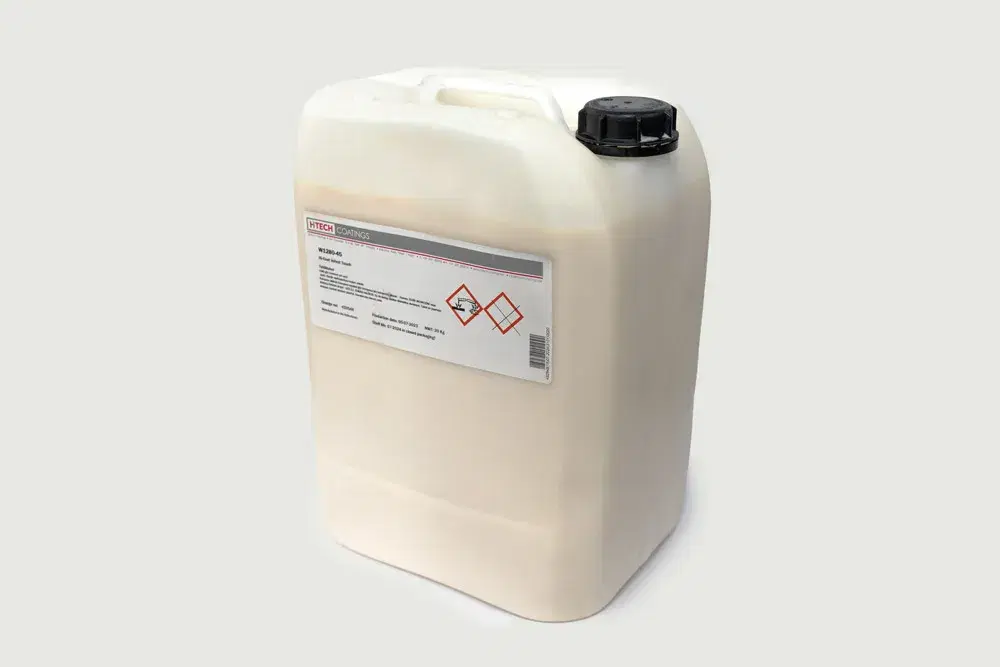
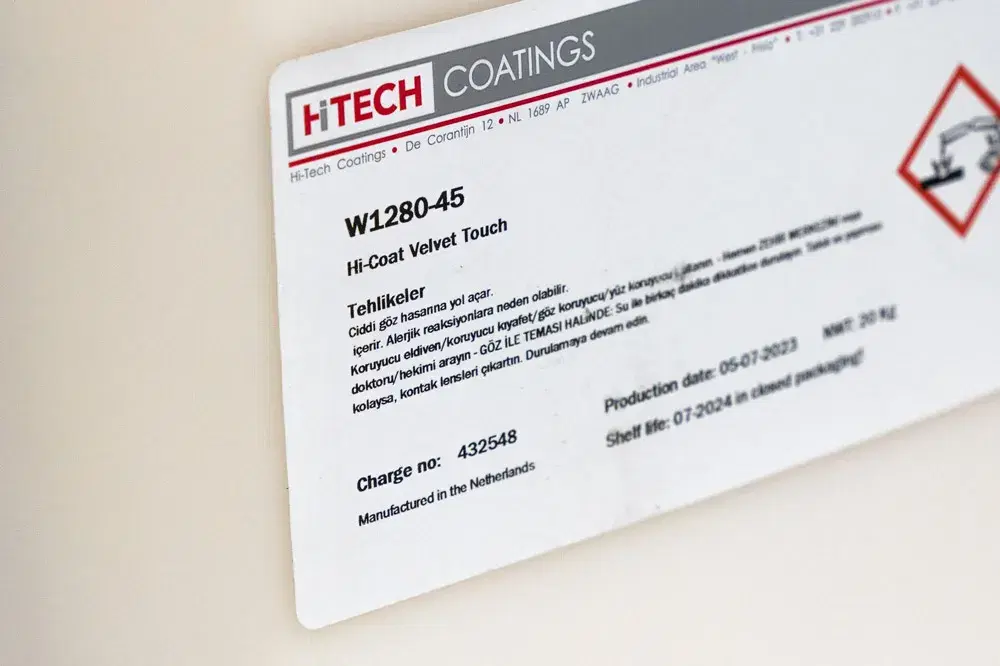
In line with PPWR targets, multi-layer complex laminations are being abandoned. The industry is moving toward mono-material designs (mono-PE, mono-PP) or pure paper solutions. This increases the importance of coating chemistry. Instead of plastic lamination, water-based barrier varnishes (like Hi-Tech Coatings barrier series) applied to paper surfaces ensure grease/moisture resistance while keeping paper 100% recyclable.
03The Role of Local Color Laboratories and Fast Logistics
In 2026, speed is the key to global competitiveness. B2B clients demand just-in-time delivery rather than holding large inventories. Local spectrophotometer-supported digital color labs that provide instant recipes play a vital role. SIM's 24/7 custom color laboratory, with a monthly capacity of 15,000 kg and Delta E < 1 accuracy, supports the delivery speed of the Turkish printing sector.
04Frequently Asked Questions (FAQ)
Does CBAM directly affect printers? Initially, CBAM covers carbon-intensive sectors like aluminum and steel. However, packaging manufacturers printing on aluminum foil or metallic cans must declare carbon emissions. Paper and plastic packaging are expected to be included in CBAM scope in the coming years.
Gallery
Frequently Asked Questions
- What is the biggest opportunity for Turkey's printing industry in 2026?
- Fast, flexible packaging production close to Europe: EU customers shortening supply chains favours Turkey. The condition is materials and processes that meet PPWR, low-migration and certification requirements (FSC, ISO 14001).
- Which documents does the Green Deal expect from printers?
- Customer audits ask for FSC chain-of-custody, ISO 14001, deinking and recyclability statements for inks and varnishes, migration certificates for food packaging and VOC emission records. Request these from your material supplier at quotation stage.
- What does a local colour laboratory give an exporting printer?
- Matching a brand colour in hours rather than days, reproducing the same recipe on repeat orders, delivering samples the same day and eliminating the wait for imported inks. SIM's 24/7 laboratory in Istanbul exists for exactly this need.
Related Products
SIM Baskı Malzemeleri
Get a Custom Quote for Your Project
Contact us for information about our wide product range and custom color production.