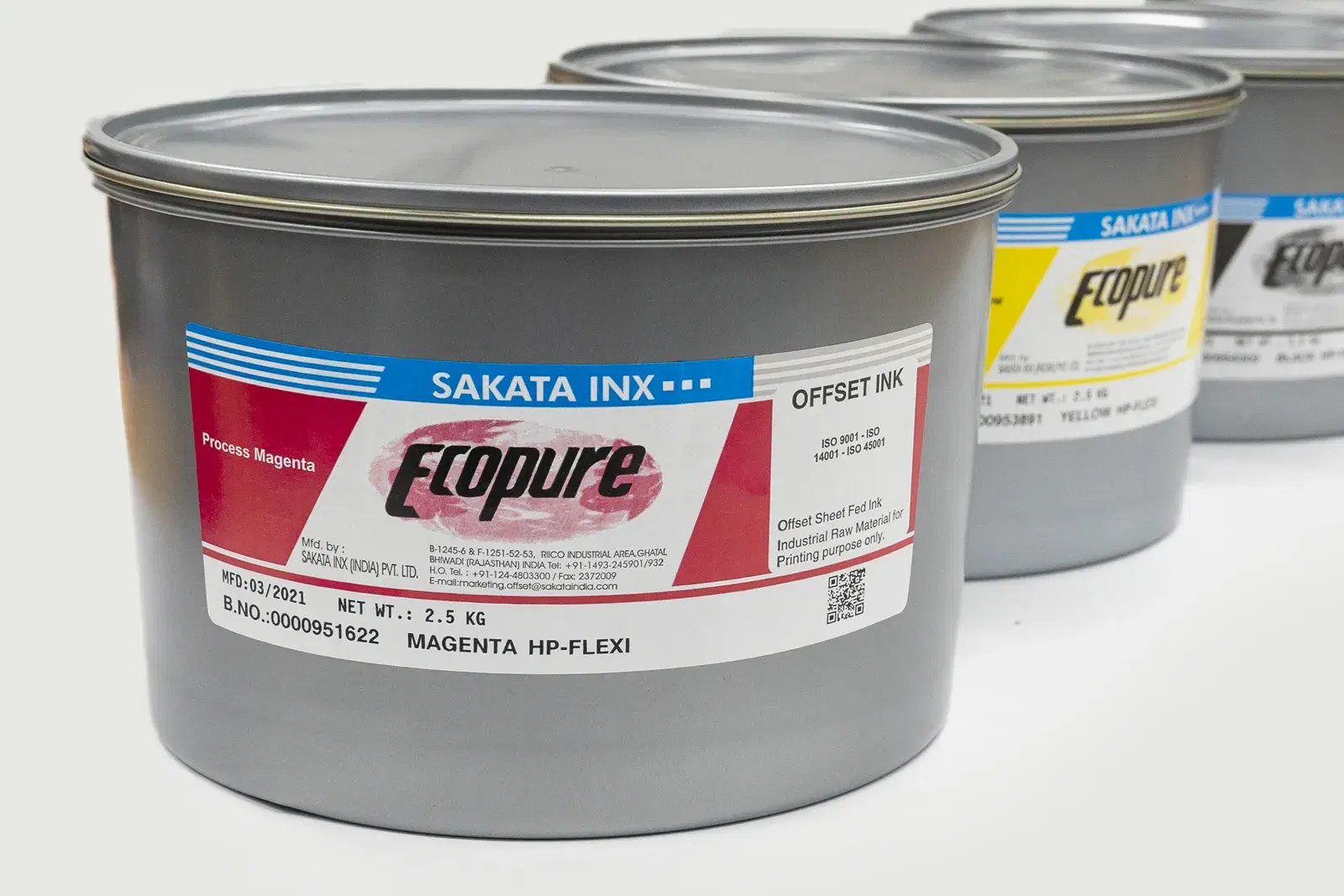
Choosing the right printing technology is a critical decision for budget optimization and final product quality. Historically, offset has dominated high-volume runs, while digital has been indispensable for short and personalized jobs. As of 2026, advances in digital press speed and offset automated plate prepress have blurred the lines. This guide provides an objective cost, speed, and quality comparison. For the offset material system see our printing materials guide, the SAKATA INX CMYK page for ink selection and our offset ink selection article.
01Run-Length Cost Analysis (The Break-Even Point)
Offset printing involves high initial setup costs due to pre-press plate preparation (CtP), ink settings, and make-ready sheets. However, once running, the per-page cost is extremely low. Digital printing has zero plate costs and near-zero setup times, but the per-copy click charge remains fixed. In 2026, the break-even point for commercial brochures lies between 750 to 1,000 sheets. Below this, digital is more economical; above it, offset is the choice.
For packaging and labels requiring variable data (barcodes, QR codes), digital or hybrid (offset+digital) systems are the only viable solutions.
02Print Quality and Color Gamut (DPI vs Screen Halftones)
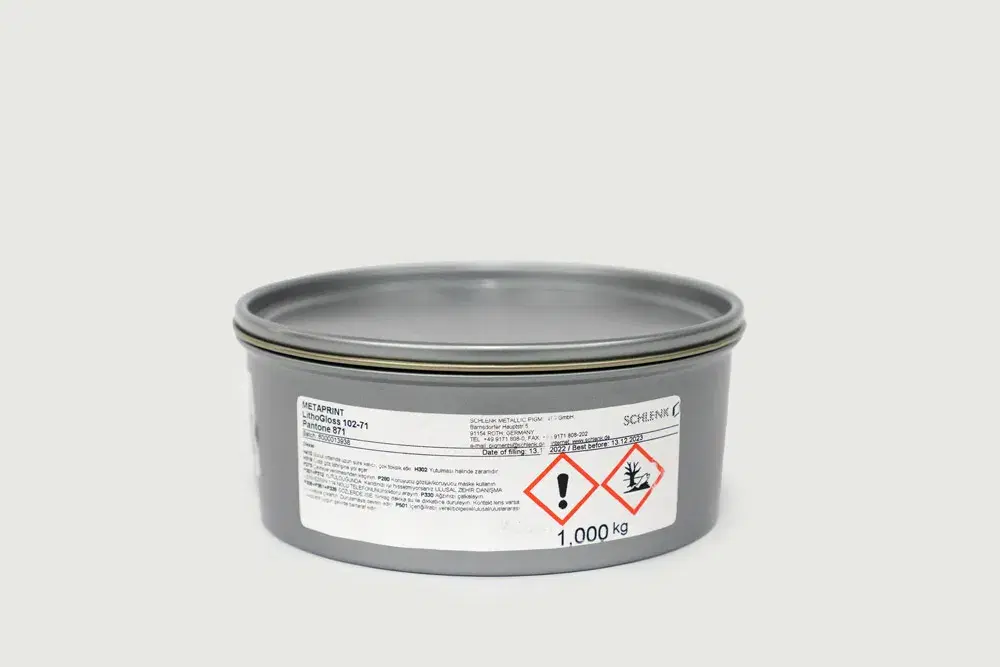
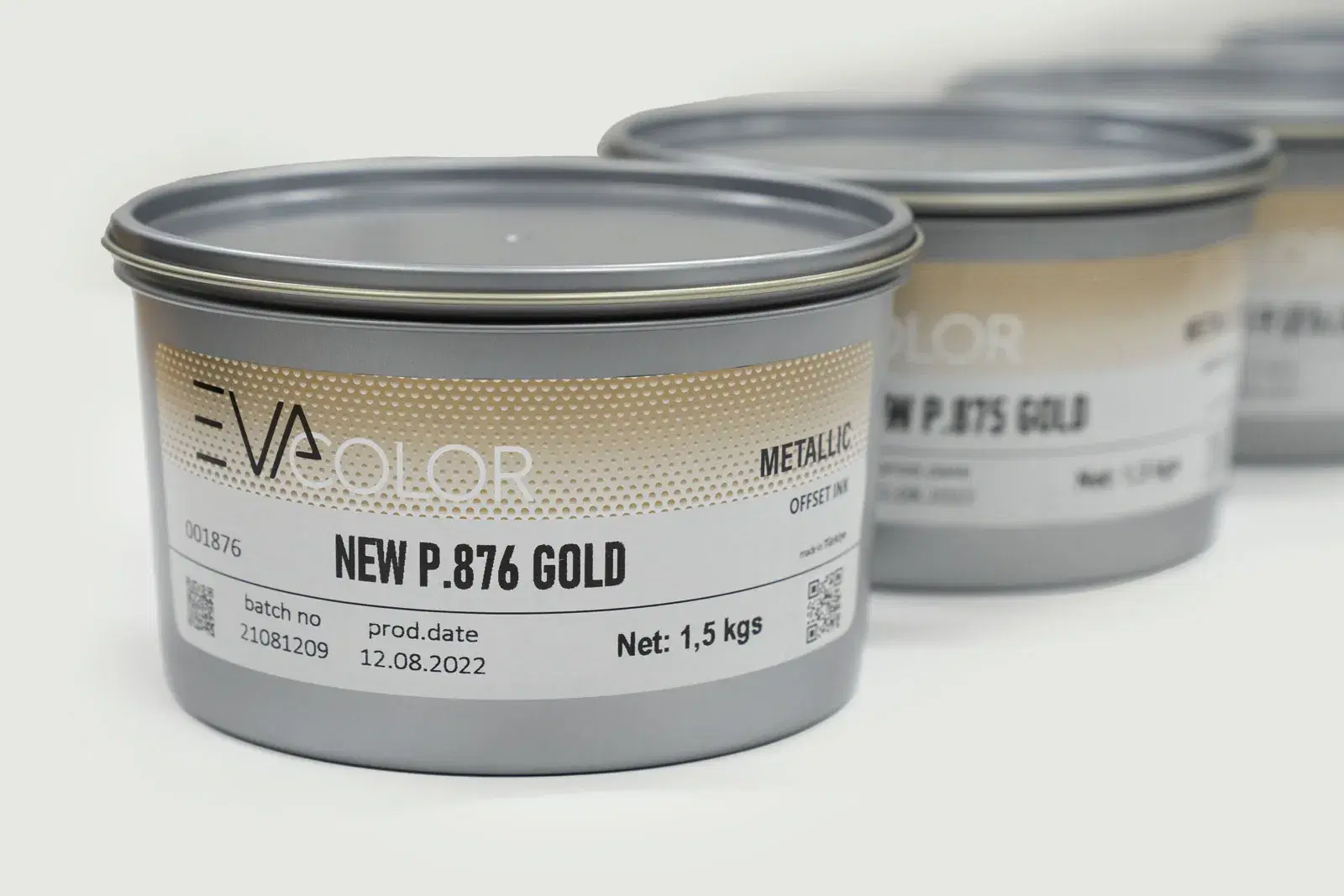
Offset printing utilizes wet ink transfer and metal plates to deliver sharp halftone dots and excellent solid-area saturation. In spectrophotometric L-A-B color management, offset maintains a stable Delta E < 1.5. It remains unmatched for Pantone spot colors and metallic inks. Digital reaches resolutions of 2400 dpi using liquid electro-inks, but can struggle with large solid areas and true metallic effects.
03Speed and Turnaround Times
For urgent short-run jobs, digital is unmatched. Files sent from computer to press print in seconds, ready for immediate binding. Conventional offset requires waiting 4-12 hours for oxidative ink drying. However, if UV offset or LED-UV ink technologies are utilized, curing is instantaneous, allowing offset to match digital turnaround times.
04Frequently Asked Questions (FAQ)
What is hybrid printing? Hybrid printing combines the high-quality, cost-effective solid printing power of offset with the variable data writing capability of digital on the same production line. It is highly preferred in corporate label and packaging manufacturing.
Gallery
Frequently Asked Questions
- At what run length does offset become cheaper than digital?
- The exact threshold depends on the job; for A4 brochure-type work the break-even is usually around 500–1,000 copies. Offset's fixed costs (plates, make-ready) spread over longer runs, while digital unit cost stays flat. Jobs needing variable data may stay digital even at higher volumes.
- Can PANTONE colours be printed digitally?
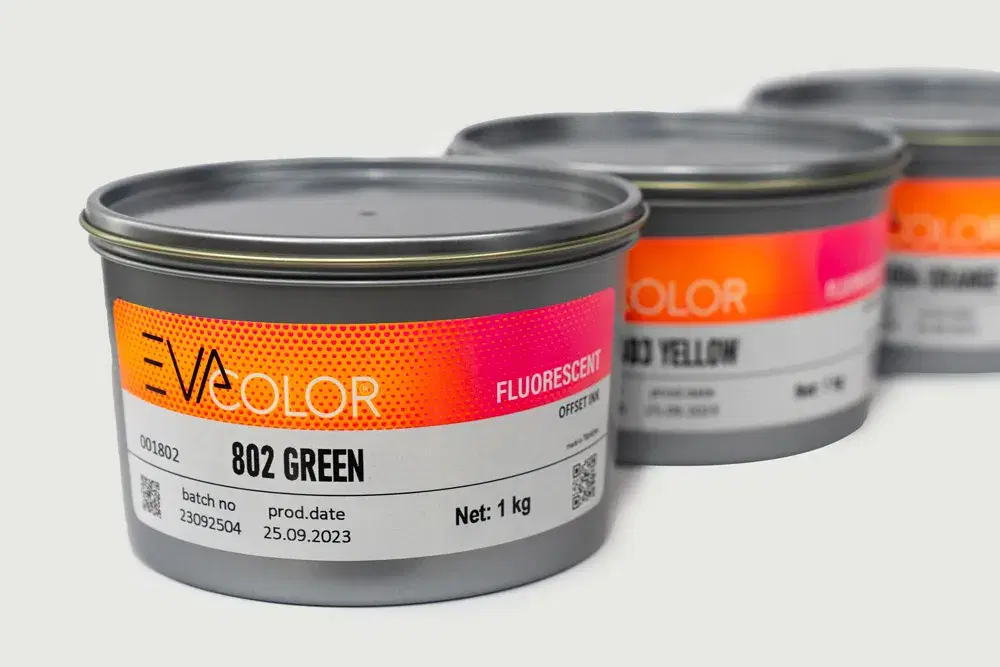
- Most digital presses simulate PANTONE colours with CMYK (some add orange/green/violet); out-of-gamut shades stay at Delta E 2–5. Brand colours and jobs needing metallic or fluorescent inks require offset spot inks (SAKATA INX PANTONE or laboratory-mixed) for an exact match.
- When does hybrid (digital + offset) printing make sense?
- Printing the static part offset at volume and adding variable data (serial numbers, QR codes, personalisation) digitally; common in label and packaging promotions. Ink and varnish compatibility (toner or inkjet over offset ink) must be tested beforehand.
Related Products
SIM Baskı Malzemeleri
Get a Custom Quote for Your Project
Contact us for information about our wide product range and custom color production.