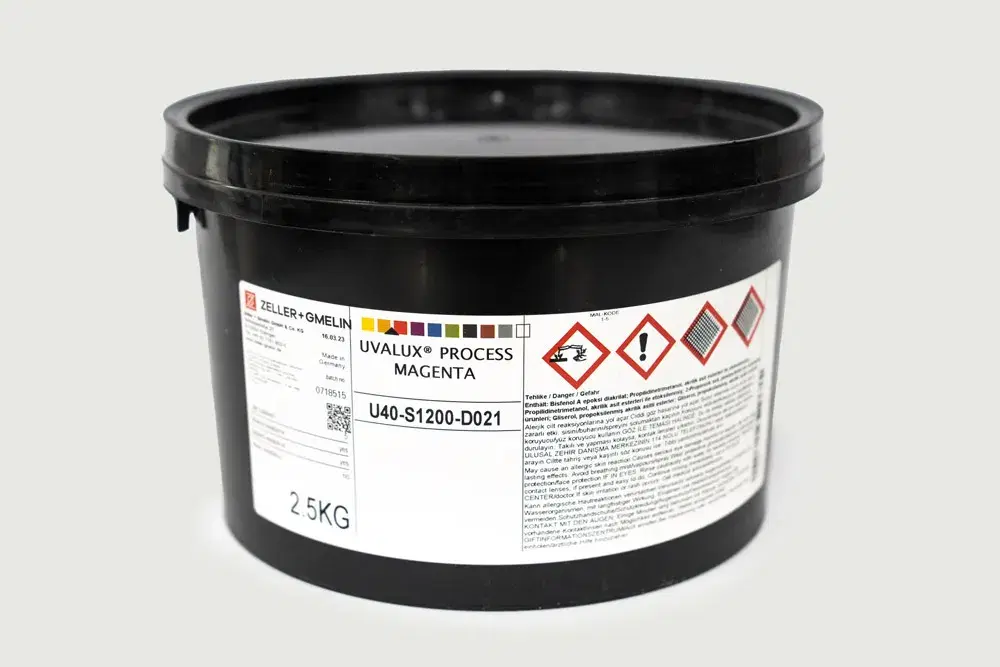
After ink and paper, chemicals are the most regular consumable in an offset pressroom, yet the buying decision is often made by reflex. The wrong fountain additive causes toning, the wrong wash shortens blanket life and the wrong spray powder causes set-off and drying problems. This guide covers the five chemical groups one by one, explains the selection criteria for each (water hardness, pH, conductivity, flash point, VOC), lists the ten questions to ask a supplier and shows how to compare on cost per thousand sheets rather than price per litre. For the full product range see our printing supplies guide and our export supply page for buyers outside Turkey.
01What are printing chemicals? The five groups
In offset printing, 'chemicals' means five product groups with different jobs. Fountain solution additive sets the pH and conductivity of the dampening water and keeps the non-image areas of the plate free of ink. Isopropyl alcohol (IPA) or alcohol substitutes lower surface tension so the water forms a thin, even film. Wash solvents remove ink residue from blankets, rollers and plates. Plate chemistry (cleaner, gum, preserver) protects the plate against oxidation between runs. The fifth group is auxiliaries: anti-set-off spray powder, driers, paste additives, coatings and wipes. Planning purchases by these five groups makes both stock control and compatibility tracking easier.
| Group | Job | Typical packaging | Decisive selection criterion |
|---|---|---|---|
| Fountain additive | pH and conductivity control, plate protection | 5–20 kg drums | Water hardness, IPA level, plate type |
| IPA / alcohol substitute | Lower surface tension, water film | 20 L drums, 200 L barrels | Dampening system, VOC target |
| Wash solvent | Blanket, roller and plate cleaning | 5–20 L drums | Flash point, rubber compatibility, drying time |
| Plate chemistry | Cleaning, gumming, preserving | 1–5 L | CTP plate type, standing time |
| Auxiliaries | Powder, driers, coatings, paste additives | Boxes, pails, 20 kg drums | Paper weight, ink type, finish |
02Choosing a fountain additive: hardness, pH and conductivity
The right fountain additive starts with a water analysis. The usual target for hardness is 8–12 °dH (roughly 150–250 ppm CaCO₃); softer water increases emulsification and foaming, harder water deposits lime on plates and rollers. Raw water conductivity should ideally be below 300 µS/cm; after the additive, most manufacturers quote a working band of 800–1,500 µS/cm. Dampening water pH is kept between 4.8 and 5.5: more acidic water retards ink drying and attacks the plate, more alkaline water starts to tone the non-image areas. If your analysis falls outside these bands, treat the water first (reverse osmosis or softening) and then choose a 'hard water' or 'soft water' formulation. Dosage is typically 2–4 % and is tabulated against hardness in the TDS. The most common mistake is to raise the dosage when toning appears: excess additive raises conductivity, upsets ink-water balance and delays drying. Measure and log pH and conductivity every shift, and when values drift check the water and the dosing pump first. Our article on water balance in offset printing covers the practical adjustments.
Fountain additive selection is a water decision, not a product decision: measure hardness and conductivity first and choose the additive for that result. The same additive can tone in hard water and foam in soft water.
03IPA, reduced-alcohol or alcohol-free?
Isopropyl alcohol lowers surface tension and spreads the dampening water thinly and evenly over the plate, which is why 8–12 % IPA was the standard for decades. But IPA is a volatile organic compound (VOC), a fire risk and subject to occupational exposure limits; in the EU the Industrial Emissions Directive 2010/75/EU restricts it, and Turkey's KKDİK (the Turkish REACH) and occupational health rules push in the same direction. Manufacturers therefore developed additives for reduced-alcohol (3–5 % IPA) and alcohol-free (0 %) operation. Going alcohol-free requires a suitable dampening unit (roller covering, cooling, filtration) and an additive designed for that mode; otherwise the ink-water window narrows and the operator loses tolerance. Modern cooled continuous dampening systems run alcohol-free well; on older systems the reduced-alcohol step is the safer transition.
| Dampening mode | IPA level | Advantage | Watch out for |
|---|---|---|---|
| Conventional IPA | 8–12 % | Wide tolerance, easy adjustment | VOC, fire risk, alcohol consumption and cost |
| Reduced alcohol | 3–5 % | Lower VOC and cost, compatible additive is enough | Closer dosage and conductivity monitoring |
| Alcohol-free | 0 % | No VOC, less cooling load and consumption | Cooled system, suitable roller covering and a dedicated additive are required |
04Wash solvents: blankets, rollers and plates
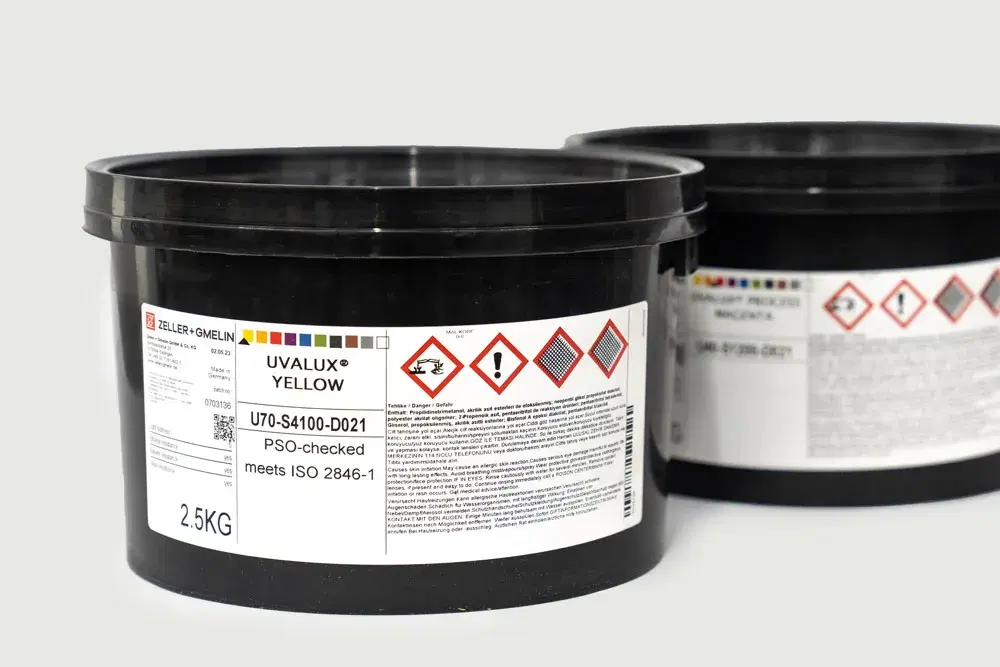
The first criterion for a wash is flash point. 'High flash point' washes at 55 °C and above are safer for storage, transport classification and VOC; products below 21 °C dry fast but carry fire and vapour risk. The second criterion is rubber compatibility: aggressive solvents swell blanket surfaces and harden roller coverings, so check in the TDS that the wash is compatible with your blankets, for example VECTOR printing blankets, and your roller material. The third is drying and set-back time: in automatic wash-up systems a slow-drying solvent marks the next sheet. If you print UV, a conventional wash is not enough; Zeller+Gmelin UV offset inks need UV-compatible washes and blankets. The cleaning routine that extends blanket life is covered in blanket selection and care.
05Other consumables: powder, plate preserver, coatings and additives
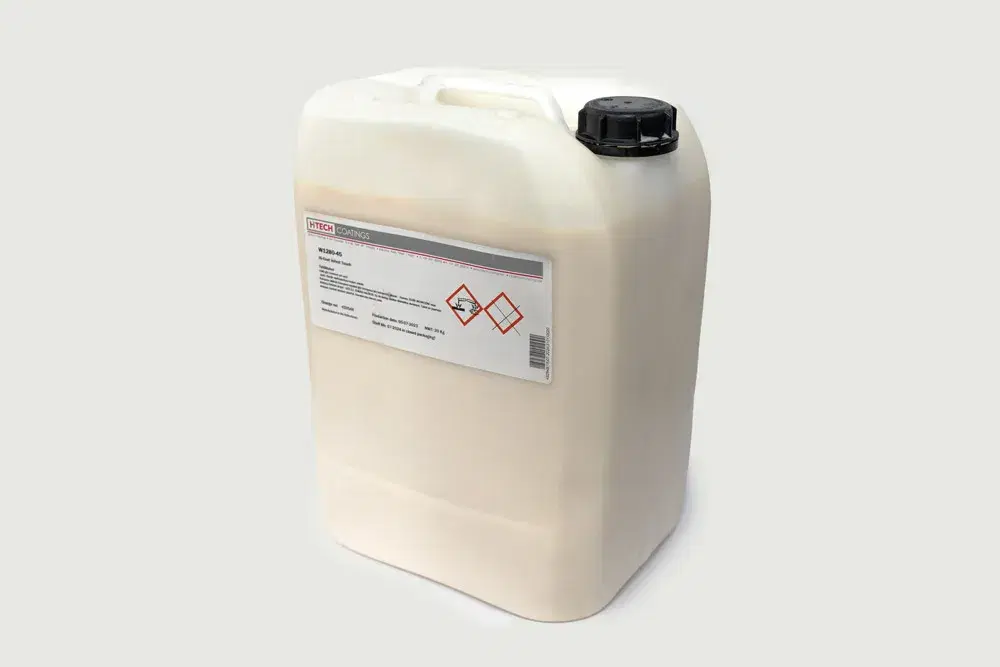
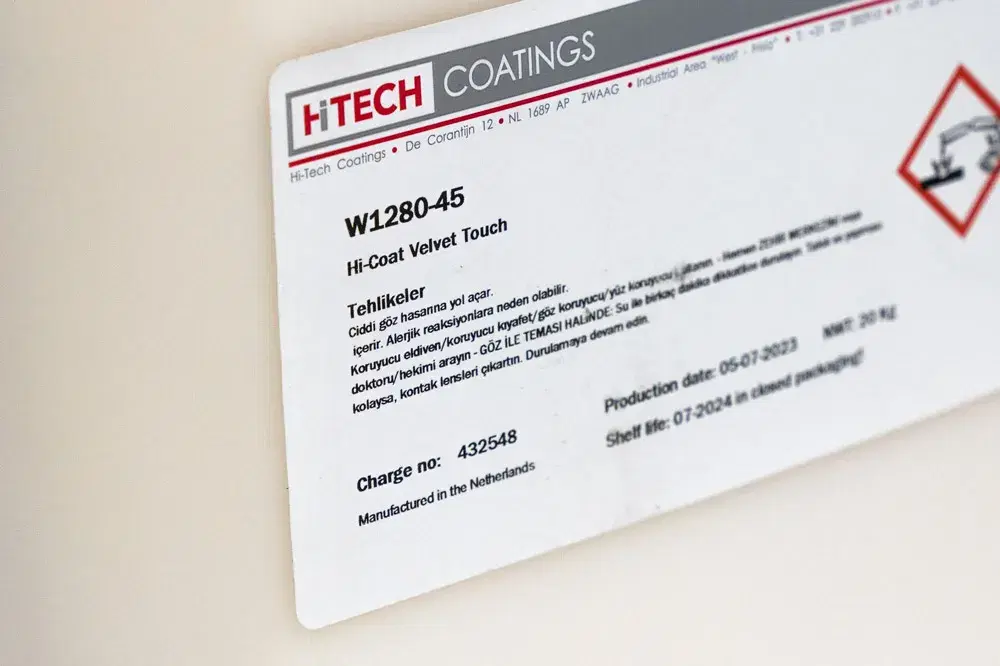
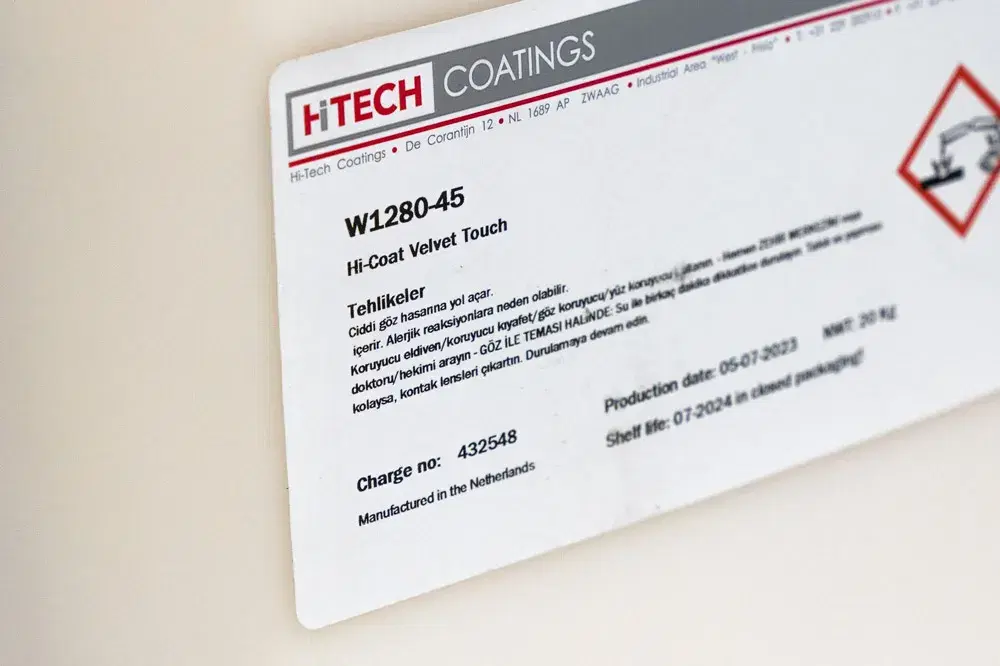
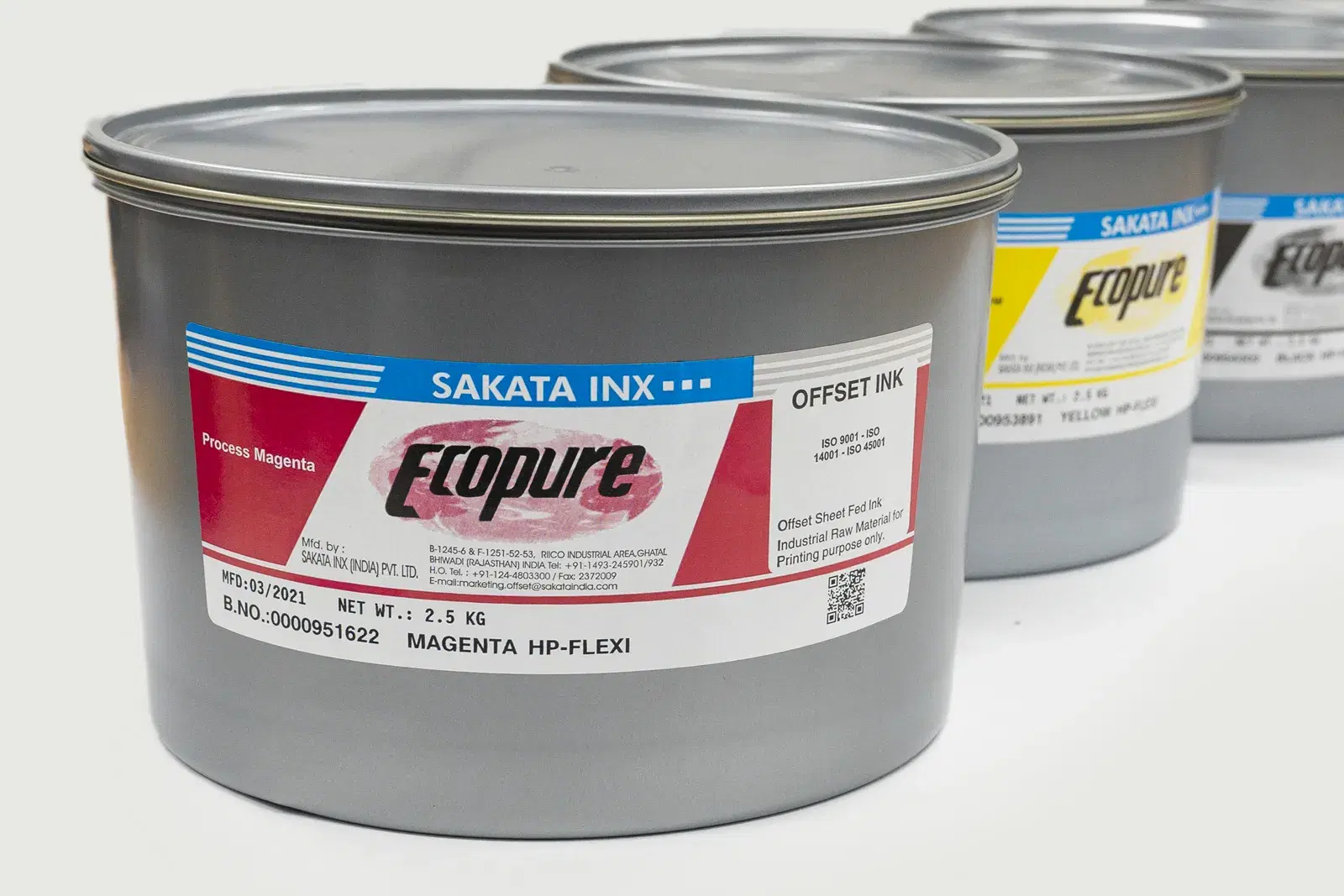
Anti-set-off powder prevents set-off; grain size follows paper weight (15–20 µm on thin paper, 25–30 µm on board and coated stock) and starch-based powders cause fewer problems after coating and lamination. Plate cleaner and gum prevent oxidation during long stops; choose the product your CTP plate manufacturer approves for its pH range. Driers and paste additives belong to the process, not the ink: with a fast-drying series such as SAKATA INX CMYK inks most jobs need no additive at all, and any additive should be used only at the manufacturer's ratio and with a batch record. For surface protection and gloss, Hi-Tech Coatings dispersion varnish is water-based and adds no VOC load, but the coating unit needs its own water-based cleaner. Our printing inks hub covers the ink side of these combinations.
06Buying checklist: ten questions for your supplier
1) Is there a TDS and a current SDS for the product? 2) Which water hardness range is the fountain additive formulated for, and what is the dosage table? 3) Is the additive approved for IPA, reduced-alcohol or alcohol-free mode? 4) What are the flash point, VOC content and transport class of the wash? 5) Has the wash been tested with my blanket and roller rubber (NBR, EPDM, UV-compatible)? 6) What packaging sizes and minimum order quantities are available, and how does the price per litre change between a 20 kg drum and a 200 L barrel? 7) What are the shelf life and storage temperature range, and is the product frost-sensitive? 8) Does every pack carry a batch number and production date? 9) What is the lead time? 10) Is technical support available for water analysis, dosage setting and troubleshooting? A buyer who gets these ten answers in writing produces more cheaply than a buyer who reads a price list.
07How to calculate cost: per thousand sheets, not per litre
Price per litre or kilogram is misleading because consumption depends on dosage. The right unit is chemical cost per thousand sheets: for fountain solution, (dosage % × hourly water consumption × price per litre) ÷ sheets per hour; for washes, (solvent per wash × washes per shift × price per litre) ÷ sheets per shift. A more expensive additive that runs at 3 % can be cheaper per job than a cheap one that needs 4 %; a high-flash-point wash evaporates more slowly and is consumed less. Add IPA consumption, waste rate and blanket replacement frequency and the true cost of the chemical appears. Methods for the waste side are in reducing waste in offset printing.
| Document | What to check | Why it matters |
|---|---|---|
| TDS (technical data sheet) | Dosage table, pH/conductivity target, compatible materials | Correct dosage and press compatibility |
| SDS | Hazard class, flash point, PPE, transport (UN) data | Occupational safety, storage and shipping |
| VOC declaration | Volatile organic compound percentage | Regulation, emission reporting, worker health |
| Batch / production date | Label and delivery note match | Shelf-life tracking and traceability |
| Compatibility statement | Blanket, roller and plate manufacturer approval | Equipment life and warranty |
08Storage, shelf life and safety
Manufacturers give most fountain additives and washes a shelf life of around 12 months; store between 5 and 30 °C, away from direct sunlight and frost. A frozen additive separates and loses dosage consistency. IPA and low-flash-point solvents are flammable liquids (IPA ships as UN 1219, class 3) and belong in a ventilated area away from ignition sources, with spill containment and closed packaging. Sections 7 and 8 of the SDS give storage and PPE requirements; writing SDS delivery into the purchase agreement protects the business at audit. Empty drums may count as hazardous waste, so ask the supplier about take-back or licensed recycling.
09Buying printing chemicals from SIM
SIM Baskı Malzemeleri has supplied offset inks, blankets and printing chemicals under one roof since 1983; choosing the chemical together with the ink and blanket prevents most compatibility problems from the start. Fountain additives, IPA and alcohol substitutes, washes, plate chemistry and auxiliaries ship from stock: same-day delivery in Istanbul for orders placed before 12:00 and 1–2 working days across Turkey. Export customers in the Middle East, Central Asia and the Balkans receive the same TDS and SDS set with every shipment. Our technical team supports water analysis, dosage setting and the transition to alcohol-free dampening on site and remotely. Contact us with your press, paper and ink details and we will put together the chemical set and a cost-per-thousand-sheets comparison with you.
Sources
Gallery
Frequently Asked Questions
- What should I base the choice of fountain additive on?
- First measure the hardness and conductivity of your water: target 8–12 °dH and raw water below 300 µS/cm. Choose the additive for that result and for your IPA mode (conventional, reduced, alcohol-free); dosage is usually 2–4 % and working pH 4.8–5.5.
- What is needed to switch to alcohol-free printing?
- A cooled, filtered continuous dampening system, roller coverings suited to alcohol-free operation and a fountain additive formulated for that mode. On older presses, stepping down to 3–5 % IPA first is the safer route.
- Why does the flash point of a wash matter?
- Washes with a flash point of 55 °C or above fall outside the flammable-liquid class, emit less VOC and evaporate more slowly, so they are consumed less; storage, transport and safety requirements are also lighter. Low-flash-point products dry fast but carry fire and vapour risk.
Related Products
SIM Baskı Malzemeleri
Get a Custom Quote for Your Project
Contact us for information about our wide product range and custom color production.