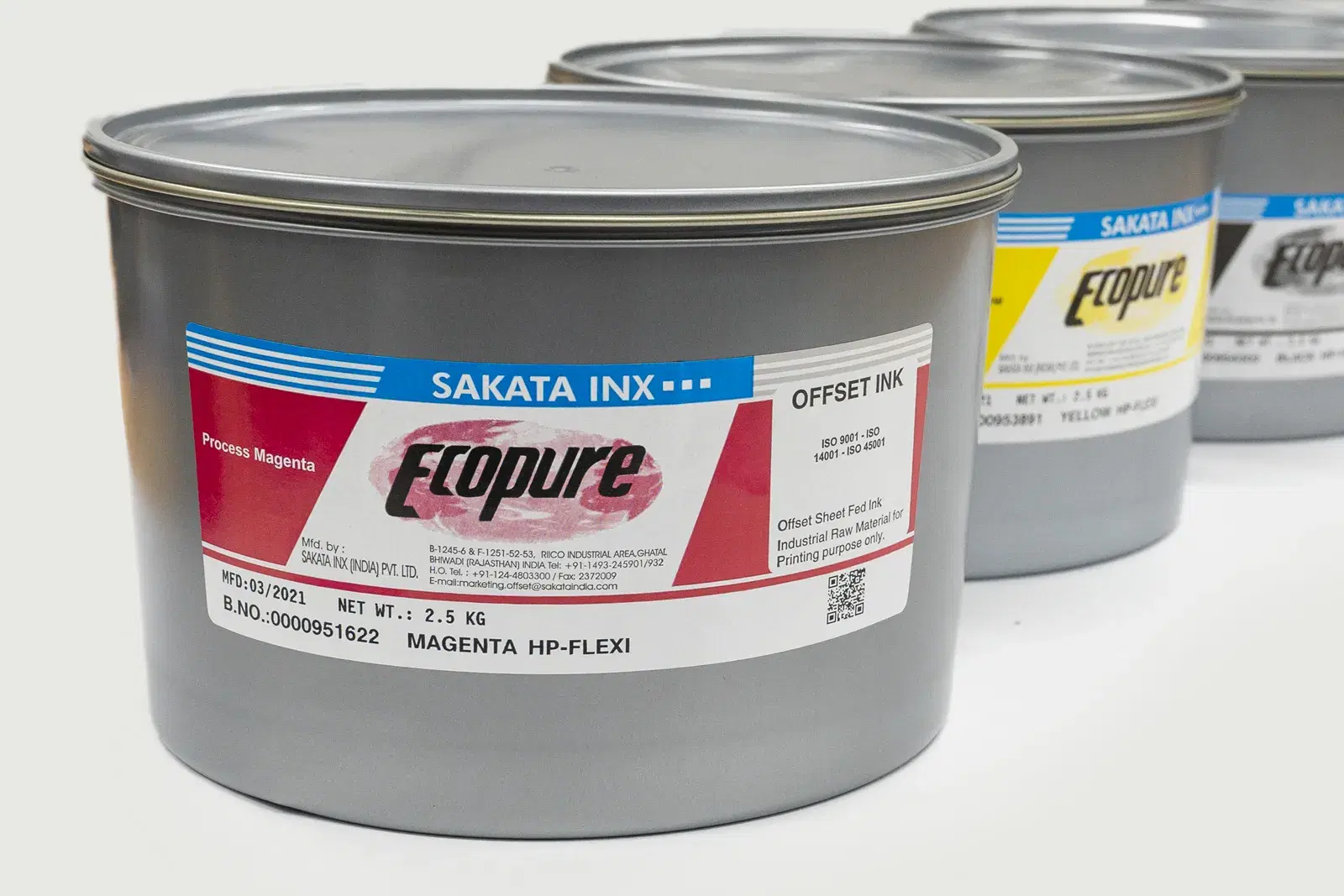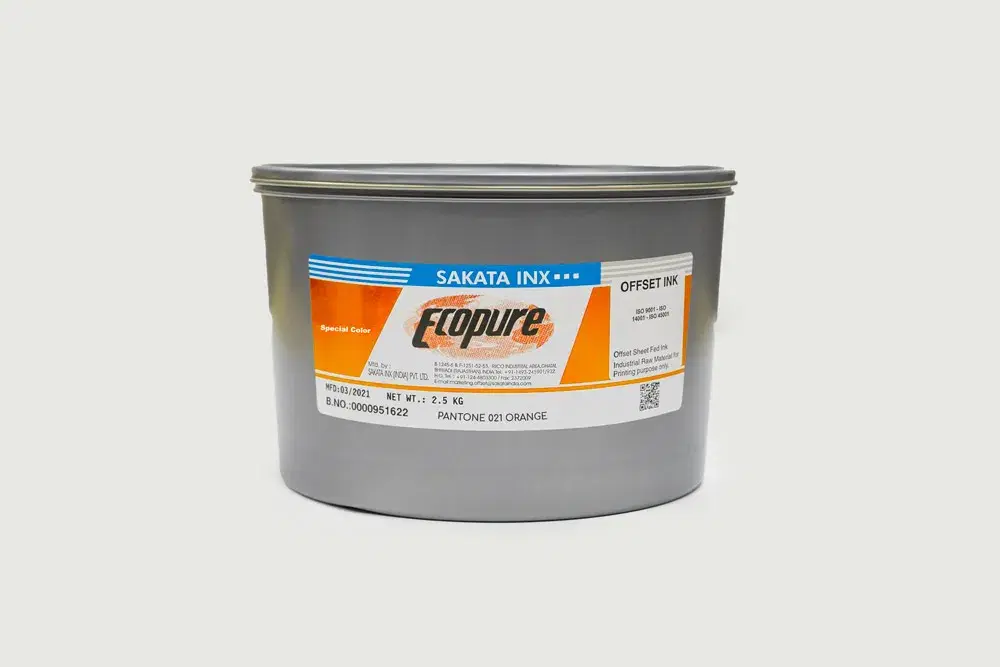
The Pantone color system is one of the most fundamental reference standards in the printing industry. Since its introduction in 1963, it has become the universal language of color communication — used by designers, printers, and brand managers worldwide to ensure that colors remain consistent from monitor to press, from the first print run to the thousandth. In this comprehensive guide, we explain what the Pantone Matching System (PMS) is, how it works, the critical difference between Coated and Uncoated catalogs, why digital Pantone differs from physical Pantone, and seven practical tips for correct Pantone implementation in offset printing — drawn from over 40 years of experience at SIM Printing Supplies. The SAKATA INX PANTONE series from stock, custom colour production in the laboratory and the printing materials guide complete this article.
01What Is Pantone? History and Definition
Pantone LLC was founded in 1963 by Lawrence Herbert in New Jersey, USA. Herbert simplified and acquired the complex color cataloging system of the printing company he worked for, and developed the Pantone Matching System (PMS) — a standardized color language that became the global reference for consistent color reproduction. Today, Pantone is used not only in printing but also in textiles, paints, plastics, cosmetics, and digital design. Since 2022, Pantone has operated as part of X-Rite, integrating with advanced color management technologies. The Pantone Formula Guide remains the world's most widely used printing color reference, covering 1,867 standardized ink colors as of the 2024 edition.
02How Does the Pantone Matching System (PMS) Work?
The PMS assigns a unique number code and a fixed pigment formula to each color. For example, Pantone 485 C represents a standard red; the pigment ratios required to produce this color are applied identically by all authorized manufacturers worldwide. The system covers 1,867 ready-made ink colors, each available in both Coated (C) and Uncoated (U) versions. Technically, Pantone inks are produced in accordance with ISO 2846 standard, which defines optical density, hue error, and transparency for spot inks. At SIM's special color production laboratory, all Pantone matching is performed using spectrophotometer-measured L*a*b* values, with a Delta E below 1.5 tolerance — the internationally accepted threshold for visual equivalence.
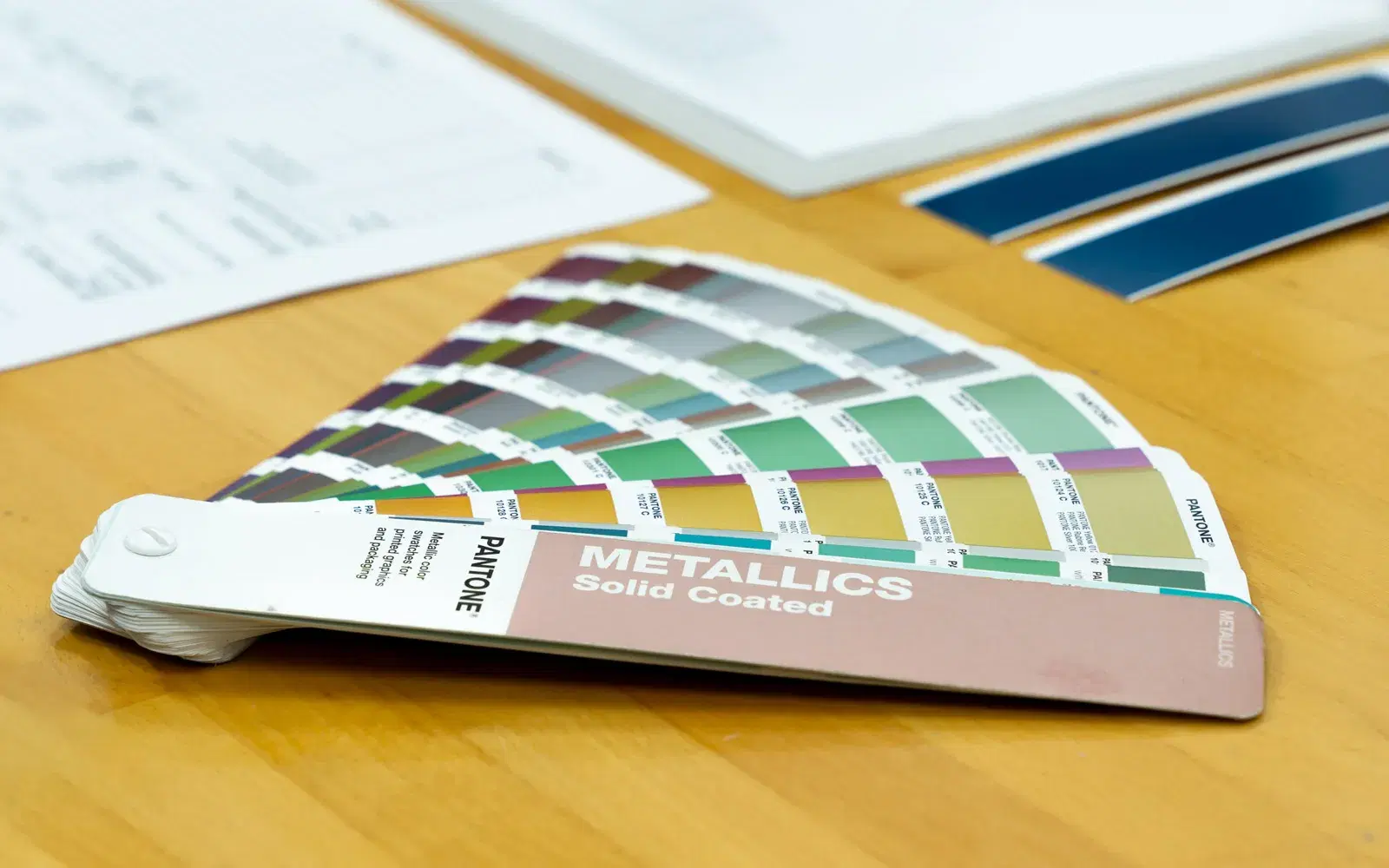
Key fact: The Pantone 2024 Formula Guide contains 1,867 color standards. Each color is available in C (Coated) and U (Uncoated) versions. The same Pantone number can produce a Delta E = 3–8 visual difference between coated and uncoated paper — always specify the paper type when ordering Pantone inks.
03Coated (C) vs. Uncoated (U): What Is the Difference?
This is one of the most frequently misunderstood aspects of the Pantone system. The "C" designation refers to coated (glossy) paper stock, where ink sits on the surface and produces bright, saturated colors. The "U" designation refers to uncoated (offset or matte) paper, where ink is partially absorbed, producing a softer, more muted appearance. A practical example: Pantone 186 C on coated stock appears as a deep, vibrant red; Pantone 186 U on uncoated stock will look noticeably lighter and less saturated — even though the underlying pigment formula is similar. The correct practice is to always specify both the Pantone number and the paper type in design files. Never assume the printer will make the right call — specify C or U explicitly. Always verify with a physical press proof against the appropriate Pantone catalog swatch.
04Digital Pantone vs. Physical Pantone
Why does Pantone color on a monitor look different from the printed result? Monitors work in the RGB color space and display Pantone colors as simulations — not as the actual pigment-based standard. This digital approximation varies depending on monitor calibration, gamma settings, ambient lighting, and the monitor's hardware color gamut. Adobe Illustrator, InDesign, and CorelDRAW can display Pantone colors approximately, but this display is for orientation only — not for final color approval. The physical Pantone catalog is always the authoritative reference. Our recommendation: always obtain a physical press proof before client sign-off. Approving Pantone colors from a screen introduces risk — and reprint costs — that are entirely avoidable.
057 Practical Tips for Correct Pantone Use in Print
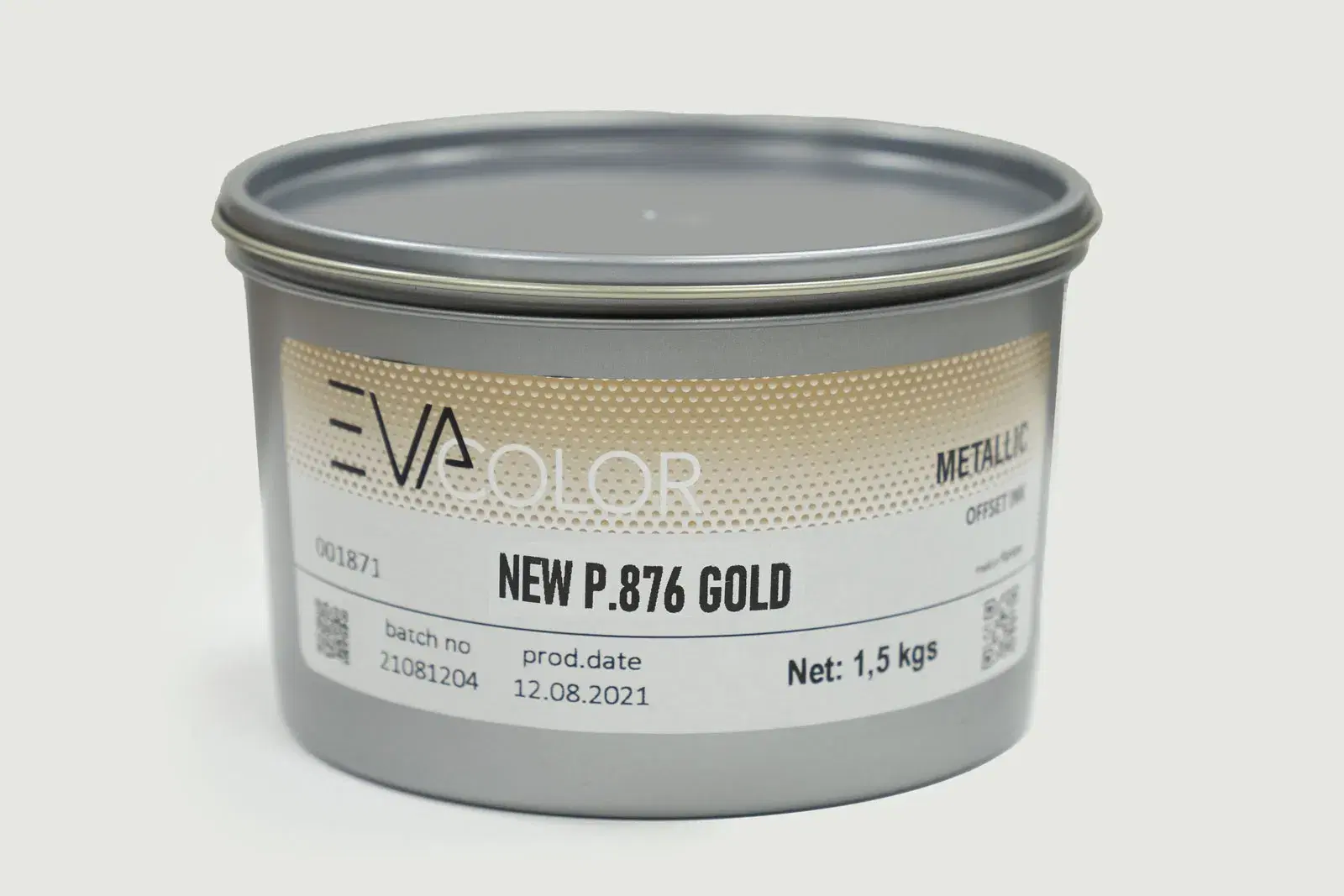
From 40 years of experience at SIM, here are seven tips for reliable Pantone implementation: (1) Always specify the full Pantone reference including paper type — "Pantone 185 C" not just "Pantone 185." (2) Obtain a physical press proof before production approval and measure Delta E against the catalog swatch. (3) Protect catalog swatches from sunlight and fluorescent light — faded swatches are the most common source of color matching errors. (4) If a design uses more than three Pantone colors, evaluate switching to CMYK — each Pantone color requires a separate ink unit and increases cost significantly. (5) Metallic Pantone colors (800 series and 871–877 gold/silver tones) contain special metallic pigments and cannot be reproduced with standard CMYK; they must be sourced separately. (6) Keep press units clean — ink contamination from previous jobs (ghosting) can push Pantone color out of tolerance. (7) UV and conventional offset printing require different Pantone formulations — coordinate with your ink supplier before switching systems.
06How to Read Pantone Colour Codes: C, U, M and Series Numbers
A Pantone colour code has three parts: the system name, the number and the surface letter. In "PANTONE 185 C", 185 identifies the colour; C (Coated) refers to coated paper, U (Uncoated) to uncoated paper and M (Matte) to matte-coated stock. Three- and four-digit numbers are the base and mixed colours of the Formula Guide; the 100s lean yellow-orange, the 200s red-pink, the 300s blue-green and the 400s grey-brown, but the number is an identifier, not an exact colour wheel. Process colours are named ("PANTONE Process Cyan C") and the base mixing colours carry names such as "PANTONE Yellow C", "Rubine Red C" and "Reflex Blue C".
Special series use their own ranges: 801–814 fluorescent (neon) colours, 871–877 metallic gold and silver shades, 8001–8963 Premium Metallics and the 10000s of the Pastels & Neons guide. TPG/TCX codes (Fashion, Home + Interiors) for textiles and PQ codes for plastics are separate systems; a TCX code cannot be converted directly into an offset ink recipe and is re-matched in the laboratory via its L*a*b* value. Practical rule: write the full code (number + surface letter) on orders and artwork, state the guide year and request a printed proof for critical colours. SIM\'s laboratory takes the code, a physical sample or an L*a*b* reading and formulates the ink to ISO 2846-1.
07SIM's Pantone Ink Portfolio and Special Color Production
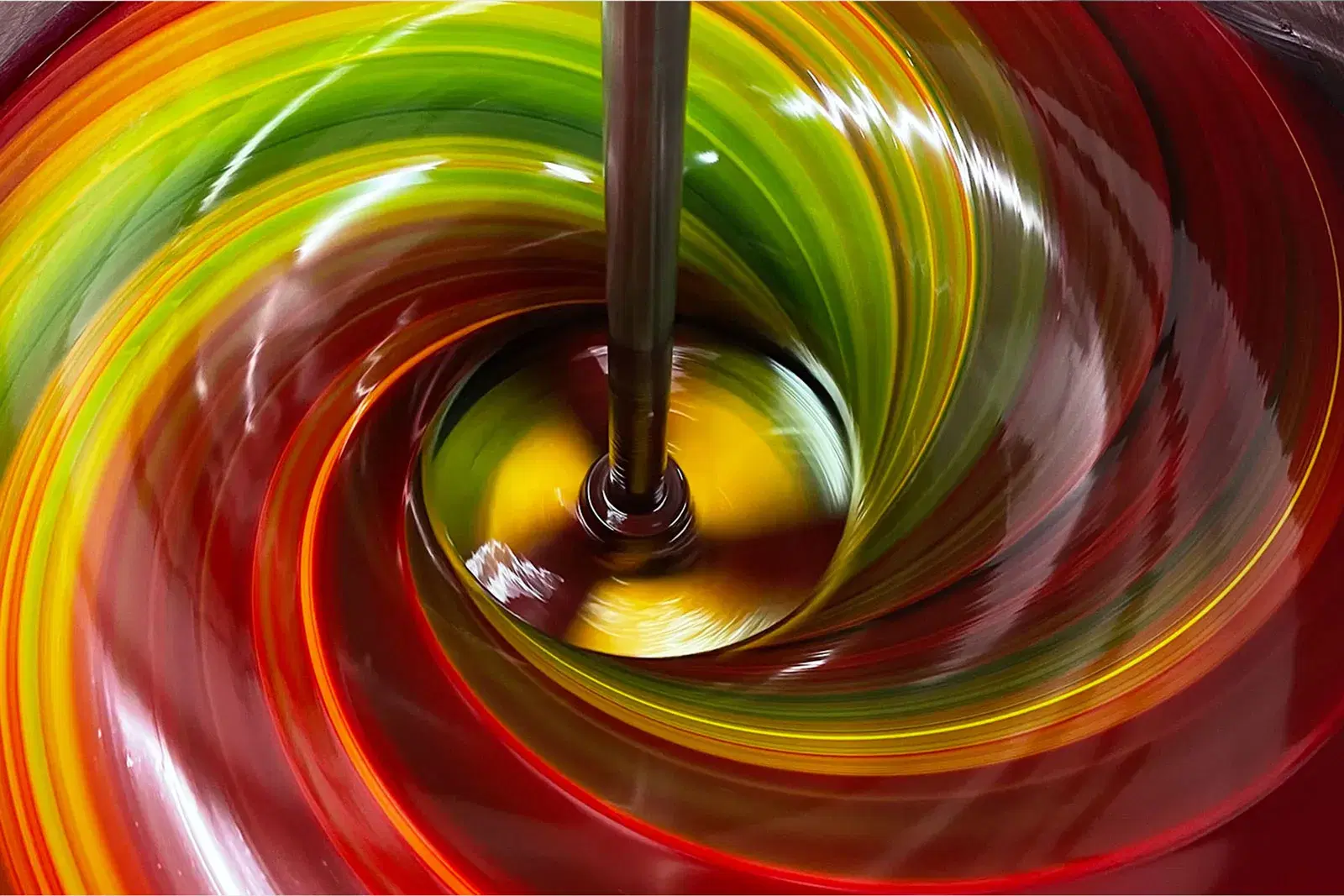
As the sole authorized distributor of SAKATA INX in Turkey, SIM Printing Supplies stocks the complete Pantone offset ink series. SAKATA INX, headquartered in Japan, produces Pantone inks in full compliance with international ISO standards. For Pantone tones not in stock or custom-formulated colors, our 24/7 special color production laboratory is available. The production process involves: receiving the Pantone number or physical reference sample, measuring L*a*b* values by spectrophotometer, calculating an initial formula via computerized color matching software (Mixware / ColorMatcherX), producing a small press proof and measuring Delta E. If Delta E below 1.5, production is approved; otherwise the formula is iteratively corrected. Our laboratory has a monthly capacity of 15,000 kg and supports both conventional and UV offset systems. Average delivery for custom Pantone tones is 1–3 working days after sample approval, with same-day options for urgent orders.
08Frequently Asked Questions
Can Pantone color be exactly reproduced with CMYK? No — CMYK can approximate Pantone, but the Delta E value typically ranges from 2 to 5. Vivid reds, oranges, purples, and metallic tones cannot reach the color density of the original Pantone formulation through CMYK mixing. For brand identity colors, spot Pantone ink is always recommended.
How often should a Pantone catalog be updated? Every 1–2 years is recommended for print shops that maintain color quality standards. Paper swatches yellow and fade over time, reducing their reference accuracy and causing matching errors that may only be discovered at the press stage. Outdated catalog approval leads to unnecessary reprints and increased waste.
Can metallic Pantone colors be used in UV printing? Yes, but UV-formulated metallic inks are required. Conventional offset metallic inks are not compatible with UV curing systems. SIM's technical team provides consulting on UV-compatible metallic Pantone formulations. Contact us with your Pantone number and substrate details for a tailored recommendation.
Gallery
Frequently Asked Questions
- What is the Pantone color system and why is it used?
- Pantone is a standardized color matching system that provides a universal color language among printers, designers, and brands worldwide. Each color is assigned a unique PMS number, enabling consistent color reproduction across different printing facilities.
- What is the difference between Pantone Coated (C) and Uncoated (U)?
- Coated (C) is designed for glossy coated paper; Uncoated (U) for offset or matte paper. The same Pantone number can create a Delta E = 3–8 visual difference between the two paper types. Always specify the paper type (C or U) when ordering colors.
- Can a Pantone color be exactly matched with CMYK?
- Exact matching is not possible for most Pantone colors. Vibrant and metallic Pantone shades that fall outside the CMYK gamut must use dedicated spot color inks. Spot color is the recommended choice for brand colors.
Related Products
SIM Baskı Malzemeleri
Get a Custom Quote for Your Project
Contact us for information about our wide product range and custom color production.